Home Water Softener
A home water softener is a highly effective system designed to remove hard minerals like calcium and magnesium from your tap water. By installing this technology, you can protect your plumbing, extend the life of your appliances, and enjoy a much cleaner living environment.
- Hard water causes mineral buildup that damages pipes and heating elements.
- Soft water improves the efficiency of soaps, detergents, and cleaning products.
- Modern smart water softeners can be monitored via mobile apps for real-time usage data.
- Installing a softener can significantly reduce skin dryness and hair dullness.
- Regular maintenance, such as salt replenishment, is essential for optimal performance.
- Choosing the right capacity depends on your household size and water hardness level.
Hard water can actually shorten the lifespan of your clothes by making fibers brittle and causing whites to turn a dull grey over time.
Understanding the Impact of Hard Water
If you have ever noticed white, crusty spots on your shower glass or felt that your skin feels tight and dry after a shower, you are likely dealing with hard water. Hard water is essentially water that contains high levels of dissolved minerals, specifically calcium and magnesium. While these minerals are not typically harmful to your health, they can wreak havoc on your home.
When this water travels through your pipes and gets heated in your water heater, those minerals begin to solidify. This process creates scale, which acts like a slow-growing clog inside your plumbing system. Over time, this buildup restricts water flow and forces your appliances to work much harder than they should. Understanding the importance of a home water softener is the first step toward a more efficient and comfortable lifestyle.
If you are curious about how modern technology integrates into your living space, you might want to learn more about what is a smart home to see how water management fits into the bigger picture of automated living. By addressing the mineral content at the source, you save money on repairs and replacements in the long run.
How a Home Water Softener Works
The magic behind a home water softener lies in a process called ion exchange. Inside the main tank of the unit, there are thousands of tiny resin beads. These beads are charged with sodium or potassium ions. As your hard water passes through this resin bed, the calcium and magnesium ions jump onto the beads, and the sodium or potassium ions jump off into the water.
The Regeneration Cycle
Every few days or weeks, depending on your usage, the resin beads become saturated with minerals. This is when the system triggers a regeneration cycle. During this phase, the softener flushes the beads with a concentrated brine solution. This resets the beads, washing away the trapped minerals into the drain and preparing the unit to soften your water all over again.
Smart Integration in 2026
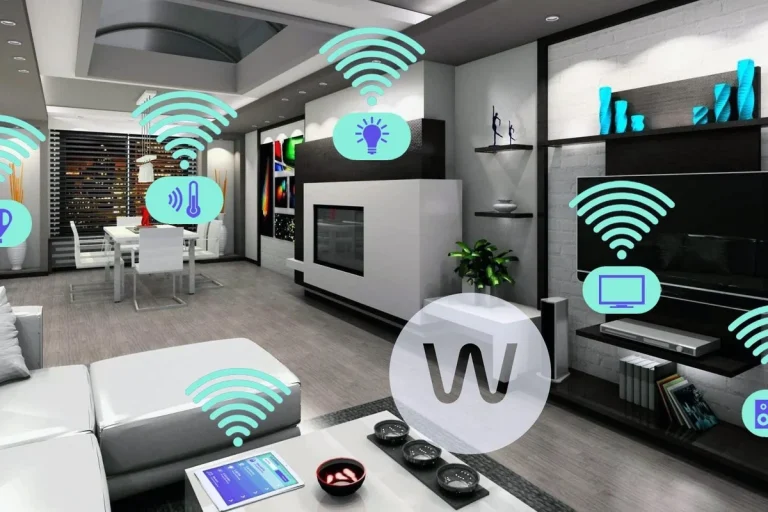
In 2026, the technology has evolved significantly. Many modern systems now feature Wi-Fi connectivity. These smart softeners track your water usage patterns and can even send alerts to your smartphone when the salt levels are low. This prevents the common frustration of running out of salt and waking up to hard water.
The Benefits of Soft Water
Installing a home water softener provides immediate benefits that you can see, feel, and taste. One of the most noticeable changes is the quality of your personal care routine. Because soft water lathers much better with soap, you will find that you need less shampoo and body wash to get clean. Your hair will feel softer, and your skin will be less prone to irritation caused by mineral residue.
Protecting Your Appliances
Your appliances are a significant investment. Dishwashers, washing machines, and coffee makers all suffer from internal scale buildup. By feeding these machines soft water, you prevent the mineral crust from forming on heating elements and sensors. This means your machines will run more efficiently and last much longer. For those planning a major renovation, considering a water softener is a smart move during home renovation projects to ensure the new plumbing stays pristine.
Saving Money on Cleaning Supplies
You might be surprised by how much you spend on cleaning products. Hard water prevents soap from working effectively, which often leads people to use double or triple the amount of detergent. With soft water, you will notice that your clothes come out cleaner, your dishes are spot-free, and you can significantly cut down on the amount of soap you buy every month.
Choosing the Right System for Your Home
Not all softeners are created equal. When selecting a unit, you must consider the hardness level of your local water supply and the number of people living in your house. A system that is too small will require too many regeneration cycles, leading to wasted water and salt. Conversely, a system that is too large might be overkill for your needs.
Capacity and Flow Rate
Always check the grain capacity of the softener. This indicates how many grains of hardness the unit can remove before it needs to regenerate. You should also look at the flow rate to ensure the unit doesn’t reduce the water pressure in your home. If you have a large family, a high-flow system is essential to keep the water running strong, even when multiple showers are being used at once.
Maintenance Tips
Maintaining a home water softener is relatively easy. The primary task is keeping the brine tank filled with the right type of salt. It is also a good idea to have a professional inspect the resin bed every few years to ensure it is still functioning efficiently. If you are looking for ways to improve your general household efficiency, checking out resources on how to choose furniture for your home can help you create a space that is as functional as it is beautiful.
Common Myths About Water Softeners
There is a lot of misinformation about soft water. One common myth is that soft water contains too much salt. In reality, the amount of sodium added to the water through the ion exchange process is very low. It is far less than what you would find in a single slice of bread or a glass of milk.
Another myth is that soft water is “slimy.” People often confuse the feeling of soft water with a lack of soap rinsing. Because soft water cleans so effectively, your skin’s natural oils are not stripped away by harsh minerals, which creates a smooth, silky sensation that many people find pleasant once they get used to it.
Making the Switch
Deciding to invest in a home water softener is a commitment to the longevity of your home. While the initial purchase and installation cost might seem like a significant expense, the return on investment is clear. You will spend less on plumbing repairs, save on energy bills, and stop wasting money on excessive amounts of cleaning products.
As we move further into 2026, the technology has become more user-friendly and reliable than ever before. With smart features and better efficiency, there has never been a better time to upgrade your home’s water system. Whether you are doing it for the sake of your appliances or the health of your skin, a water softener is a simple addition that makes a world of difference.
Frequently Asked Questions
Most households need to add salt once every one to two months, though smart systems will notify you when levels are low.
Some softeners can handle low levels of dissolved iron, but if you have high iron content, you may need a specialized iron filter.
Yes, many people find that soft water tastes cleaner because the metallic or “earthy” taste caused by high mineral content is removed.
Yes, softened water is safe to drink for the vast majority of people, though those on a strict low-sodium diet should consult their doctor.
While it is possible for a handy homeowner to install one, it is recommended to hire a professional to ensure the connections are leak-free and correctly integrated with your plumbing.
A high-quality home water softener will typically last between 10 and 15 years with regular maintenance and proper care.