How to Choose Bedroom Furniture for a Minimalist Look
Choose bedroom furniture by starting with function, then narrow your options to simple shapes, restrained colours, and well-proportioned storage. The best minimalist look comes from fewer, better pieces that keep the room calm, practical, and visually light.
Choosing bedroom furniture for a minimalist look is less about stripping a room bare and more about making every piece earn its place. The best minimalist bedrooms feel calm, practical, and visually light, with furniture that supports rest rather than competing for attention.
For UK homes, that often means working with compact bedrooms, awkward alcoves, period proportions, or shared-use spaces that need storage as well as style. The aim is simple: choose fewer pieces, keep the silhouettes clean, and make sure the layout feels open enough to breathe.
Minimalist bedroom design can look different in a London flat, a Victorian terrace, a semi-detached home, or a new-build. Room shape, ceiling height, built-in storage, and budget will all affect what works best.
- Function first: Decide whether the room is mainly for sleeping, storage, reading, or working.
- Keep it light: Choose slim frames, clean lines, and a limited material palette.
- Measure carefully: Leave enough clearance for doors, drawers, and everyday movement.
- Prefer closed storage: Hide clutter to preserve a calm, minimalist feel.
- Buy fewer pieces: Prioritise quality, comfort, and proportion over matching sets.
What “Minimalist Bedroom Furniture” Really Means in 2026
Defining minimalist style beyond “empty” or “all-white” rooms
In 2026, minimalist bedroom furniture is best understood as furniture that feels intentional, quiet, and uncluttered. It does not have to be white, and it certainly does not have to make the room feel cold or unfinished.
Instead, think of clean lines, limited materials, and a layout that leaves visual space around each item. A minimalist bedroom can still include warm oak, textured linen, soft lighting, and a few well-chosen decorative pieces.
How user intent shapes the furniture choices: calm, function, and visual lightness
Before looking at styles, decide what you want the room to do. If the goal is rest, the furniture should help the room feel calm and low-visual-noise. If the bedroom also needs to store clothing, hold a reading chair, or double as a workspace, the furniture must stay streamlined while still being useful.
This is where minimalist design becomes practical rather than decorative. A bedroom with one well-proportioned bed, two compact nightstands, and a simple wardrobe often feels more restful than a room packed with matching sets and decorative extras.
Minimalist rooms often feel larger not because they contain less furniture, but because the furniture has more consistent proportions and fewer visual interruptions.
Start with the Room’s Function Before You Buy Anything
Sleeping, storage, reading, working, or all of the above?
Minimalist furniture works best when it reflects how the room is actually used. A primary bedroom may only need sleep and storage. A spare room might need a bed, a place for guests to unpack, and a desk that disappears visually when not in use.
If the room also serves as a dressing space, reading nook, or occasional home office, prioritise multi-use pieces. For example, a compact bench with hidden storage can replace a bulky ottoman, and a wall-mounted shelf can work better than a large bookcase.
Record wall lengths, doors, windows, sockets, and traffic flow.
Select a calm, bold, cosy, traditional, modern, or luxury direction.
How to measure traffic flow, wall space, and clearance around the bed
Measure the room before choosing furniture, not after. Check the full wall lengths, the position of radiators, skirting boards, windows, sockets, and door swings, then mark where you need clear walking space.
As a rule of thumb, the bed should not block natural movement from the door to the wardrobe or en-suite. In smaller UK bedrooms, even a few centimetres of extra clearance can make the difference between a room that feels cramped and one that feels calm.
If you are planning fitted storage, moving sockets, or altering built-in features in an older property, check whether you need a qualified tradesperson. For structural changes, always speak to a suitable professional before buying furniture around the new layout.
Choose the Right Bed Frame as the Anchor Piece
Best minimalist bed frame types: platform, low-profile, and upholstered styles
The bed is the anchor piece in any minimalist bedroom, so it should feel visually light and proportionate. Platform beds are a strong choice because they sit low and usually have a simple frame line. Low-profile frames can also work well in compact rooms, especially where the ceiling is not especially high.
Upholstered beds can still suit a minimalist look if the shape is restrained and the fabric is subtle. Choose smooth linen-look textures, tailored edges, or a slim headboard rather than anything overly padded or ornate.
This idea works best for calm, modern, and space-conscious homes.
9/10
Practical examples of bed sizes and frame heights for small vs. larger bedrooms
In a small bedroom, the right bed size matters as much as the frame style. A double bed may be the most practical option if a king would leave too little circulation space around the sides.
In a larger room, a king-size bed can still look minimalist if the frame remains slim and the surrounding furniture is kept simple. Frame height also matters: lower beds often make a room feel more open, while taller bases can make the bed feel heavier.
Common mistake: oversized headboards and bulky bases that overwhelm the room
One of the easiest ways to lose the minimalist effect is to choose a bed that is too visually heavy. Oversized headboards, thick side rails, and chunky bases can dominate a small or medium bedroom.
If you love a statement bed, keep the rest of the room quiet. Otherwise, choose a frame with slimmer proportions and let texture, bedding, and lighting do the styling work instead.
Select Storage Furniture That Hides Clutter Without Adding Visual Weight
Dressers, nightstands, and wardrobes with clean lines and simple hardware
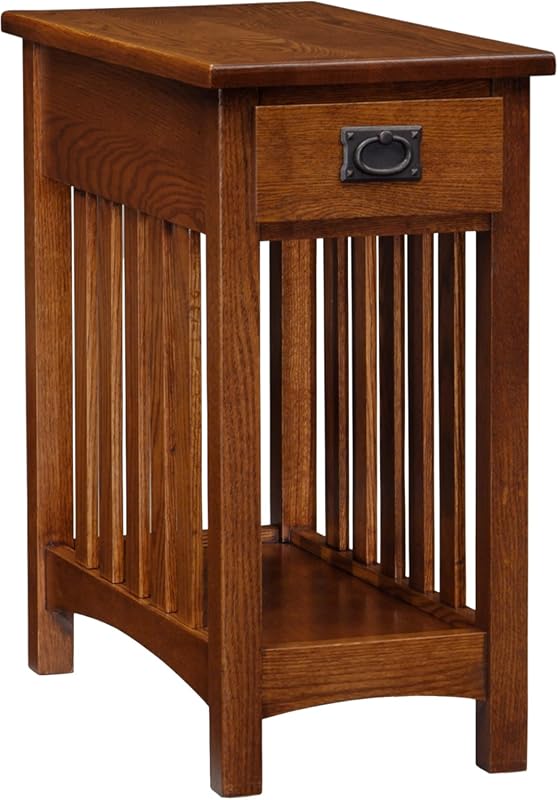
Storage is where minimalist bedrooms often succeed or fail. The best pieces hide everyday clutter while still looking calm and understated. Flat-front drawers, recessed handles, and simple hardware usually work better than ornate fronts or mixed-detail designs.
Nightstands should be useful but not oversized. In many UK bedrooms, a compact drawer unit or slim bedside table is enough, especially if the bed already has under-bed storage or the wardrobe handles most clothing storage.
- Oak or walnut wood
- Linen upholstery
- Matte brass hardware
When built-in-looking pieces work better than open shelving
Furniture that looks built-in often supports a minimalist scheme because it reduces visual breaks. Wardrobes with flush doors, matching drawer fronts, and concealed storage can make a room feel calmer than open shelving filled with mixed items.
Open shelving can still work if you are highly disciplined with styling, but it is not always the easiest choice for daily life. If you want a low-maintenance bedroom, closed storage usually makes more sense.
Use one closed storage piece for the “messy” items and one smaller open display area for just a few calm objects, such as a lamp, a book, or a ceramic tray.
What to avoid: mixed finishes, too many drawers, and decorative extras
Minimalist storage does not need to be boring, but it should be coherent. Too many finishes in one room can make the furniture feel visually fragmented, especially in smaller bedrooms.
Be careful with drawer-heavy sets that look practical on paper but create a bulky wall of furniture in reality. Decorative trims, shiny handles, and unnecessary detailing can also distract from the calm look you are trying to create.
- Looks tidy and cohesive
- Helps hide everyday clutter
- Can feel heavy if over-scaled
- Needs careful planning for access
Use Materials, Color, and Finish to Keep the Room Light
Best minimalist material choices: wood grain, matte paint, metal, and natural textures
Materials matter just as much as shape. Minimalist bedroom furniture often works best when it combines one or two main materials rather than many competing ones. Wood grain adds warmth, matte finishes reduce glare, and natural textures keep the room from feeling flat.
Metal details can be useful too, but they should be restrained. Think slim legs, subtle handles, or a simple lamp base rather than anything overly industrial or shiny.
How to compare light oak, walnut, white lacquer, and black accents
Light oak is a popular choice for a softer minimalist look because it reflects light and feels relaxed. Walnut brings more depth and can feel richer, but it needs balancing with lighter walls or bedding so the room does not become too dark.
White lacquer can look crisp and clean, although it may show fingerprints and wear more easily depending on the finish quality. Black accents work well in small doses, especially for frames or handles, but too much black can make a compact bedroom feel visually dense.
Cost and durability trade-offs: budget MDF vs. solid wood vs. mixed-material pieces
Budget MDF furniture can be a practical starting point, especially for renters or first homes, but finish quality varies widely. Look closely at edge banding, door alignment, and surface durability if you want it to last.
Solid wood usually offers better longevity and can age more gracefully, though it may cost more and weigh more. Mixed-material pieces can be a smart compromise if the structure is sturdy and the visible surfaces are well finished. If you are spending more, prioritise the bed frame and wardrobe first, then upgrade smaller items later.
Balance Scale and Proportion for a Clean, Spacious Look
How to match furniture size to ceiling height and floor area
Minimalist design depends heavily on proportion. A low bed, slim bedside tables, and a narrow wardrobe can feel elegant in a compact room because they respect the available space.
In rooms with higher ceilings, slightly taller furniture can work, but the pieces should still feel balanced. The goal is not to fill vertical space for the sake of it; it is to keep the room visually calm from floor to ceiling.
- Measure the space
- Pick a palette
- Plan lighting layers
Why low-slung furniture often makes a bedroom feel larger
Low-slung furniture leaves more wall visible above it, which can make the room feel airier. This is especially useful in small bedrooms, loft rooms, and older homes where the proportions can feel awkward.
It also helps the eye move smoothly around the room. When the furniture line stays lower, the bedroom feels less crowded even if the actual floor area has not changed.
Common mistake: filling every wall with furniture instead of leaving negative space
Negative space is one of the most important tools in a minimalist bedroom. Leaving some wall and floor area open helps each piece stand out and keeps the room from feeling overfurnished.
A common mistake is trying to use every wall for storage. That can be tempting in small UK homes, but if every surface is occupied, the room may feel busy rather than calm. Sometimes one fewer cabinet is the better design choice.
If a room feels cramped, reduce the number of furniture pieces before changing the colour scheme. Better spacing often improves the look more than a full redecorating job.
Expert Warnings: Mistakes That Break a Minimalist Bedroom
Overbuying matching sets that look rigid or dated
Matching bedroom sets can seem like the easiest route, but they often make a room feel rigid. A perfectly matched bed, dresser, and bedside tables can look dated or overly showroom-like.
A more modern minimalist approach is to keep the finishes related, not identical. For example, a timber bed frame with simple painted storage and a neutral lamp can feel more relaxed and personal.
Choosing style over comfort in the bed, mattress base, or seating
Minimalism should never mean sacrificing comfort. A beautiful bed frame that is uncomfortable to use, too low to get in and out of, or awkward for storage access will not serve you well in the long run.
The same applies to any bedroom chair or bench. If it looks great but becomes a dumping ground because it is not practical, it is not really supporting a minimalist lifestyle.
Ignoring quality details like joinery, drawer glide, and finish wear
Good minimalist furniture often depends on subtle quality details. Smooth drawer glides, solid joinery, and a durable finish can make even a simple piece feel much better to live with.
This is especially important if you are buying for a busy household, a child’s room, or a rental property where furniture will be used heavily. If possible, inspect samples, read product details carefully, and ask suppliers about maintenance and assembly before you commit.
For custom wardrobes, fitted joinery, or built-in storage in older UK homes, it can be worth consulting a joiner, interior designer, or another qualified professional to make sure the design suits the room properly.
Final Recap: A Simple Checklist for Choosing Minimalist Bedroom Furniture
Prioritize function, proportion, and storage first
Start with how the room needs to work, then choose furniture that fits the layout without crowding it. Measure carefully, plan for circulation, and make sure every item has a clear purpose.
Keep the palette restrained and the silhouettes clean
Stick to a limited colour palette, simple shapes, and a small number of materials. Light timber, matte finishes, and quiet hardware usually help the room feel more open and restful.
Buy fewer, better pieces that support a calm, uncluttered bedroom
The best minimalist bedroom furniture does not shout for attention. It creates a calm backdrop for rest, storage, and everyday living, which is exactly what many UK homeowners and renters need.
- Start with function
- Choose a consistent palette
- Balance storage, comfort, and style
Frequently Asked Questions
At minimum, you need a bed, practical storage, and one or two small bedside pieces if the room has space. The key is choosing items that are simple, proportionate, and genuinely useful.
No, white is not required. Light oak, walnut, matte painted finishes, and soft neutral tones can all work as long as the overall palette stays restrained.
Use fewer pieces, choose a low bed frame, and rely on closed storage to hide clutter. Leave some negative space around the furniture so the room feels open.
Not usually. Matching sets can feel rigid, so it is often better to mix related finishes and keep the silhouettes simple for a more relaxed result.
Platform, low-profile, and simply upholstered bed frames are usually the best options. They keep the room visually light and work well in both small and larger bedrooms.
Use warm wood tones, soft textiles, and layered lighting to add comfort without clutter. A minimalist room should feel calm and lived-in, not empty.