How to Make Home Decor Look Expensive on a Budget
To make home decor look expensive on a budget, focus on visual harmony, good scale, and a limited colour palette. Upgrade the details people notice first, like lighting, curtains, mirrors, and hardware.
If you want to know how to make home decor look expensive, start by thinking less about price and more about balance. The most polished rooms usually feel calm, cohesive, and intentional, which means the details work together instead of competing for attention.
That is good news for UK homeowners and renters, because a high-end look is often created through better styling, smarter furniture placement, and a more disciplined colour palette. With a few careful choices, even a modest flat, terraced house, or semi-detached home can feel much more refined.
- Balance first: Rooms look pricier when furniture, colour, and spacing feel cohesive.
- Spend selectively: Prioritise sofas, beds, rugs, and curtains over small accessories.
- Use texture: Mix wood, linen, glass, and metal for a layered finish.
- Edit hard: Fewer, better-placed items usually look more luxurious.
- Light well: Warm layered lighting instantly improves the mood of a room.
Why “Expensive” Decor Is Really About Visual Harmony, Not Price Tags
Rooms look expensive when the eye can move through them easily. That usually means the furniture fits the space, the colours relate to each other, and there is enough breathing room around the main pieces.
Visual harmony matters more than having lots of new items. A room filled with random purchases can feel busier and cheaper than one with fewer, better-edited pieces. The goal is not to make everything match perfectly, but to make the room feel deliberate.
Many designer-looking rooms rely on repetition: the same wood tone, the same metal finish, or a limited colour family repeated across the space.
In practice, that means choosing a small number of materials and finishes, then repeating them in different ways. For example, oak shelving, a linen sofa, and a brass lamp can feel luxurious together because they share a warm, natural tone.
- Measure the space
- Pick a palette
- Plan lighting layers
Choose a High-Low Foundation: Where to Spend and Where to Save in 2026
A high-low approach is one of the smartest ways to make home decor look expensive on a budget. Spend more on the items that shape the room visually and physically, then save on pieces that are easier to swap later.
This approach is especially useful if you are decorating a rental or gradually upgrading a home. It helps you avoid putting money into low-impact extras while leaving room in the budget for the things people notice first.
Anchor pieces that should look premium
Anchor pieces are the items that define the room, so they should feel solid and well chosen. In a living room, that might be the sofa, rug, curtains, or main storage unit. In a bedroom, it could be the bed frame, headboard, and bedside lighting.
These pieces do not have to be expensive, but they should look and feel substantial. A sofa with a neat silhouette, a rug that fits the room properly, and curtains hung high and wide will usually do more for the overall look than several decorative accessories.
Exact spending priorities depend on room size, layout, and how long you plan to stay. In UK homes with awkward alcoves or narrow rooms, fitted storage or made-to-measure curtains may be worth the extra cost because they improve the whole room visually.
Budget-friendly swaps that still feel elevated
Smaller items are where you can save without losing style. Cushion covers, throws, table lamps, ceramic vases, and framed prints can all be chosen carefully without a large spend.
Try swapping bright plastic accessories for materials that look more grounded, such as glass, stone, ceramic, rattan, or wood. Even budget pieces can feel elevated if the colours are restrained and the finishes are consistent.
Use Color, Texture, and Finish to Create a Luxe First Impression
Colour is one of the fastest ways to make a room feel more expensive. A controlled palette creates calm, while too many competing shades can make even good furniture look cluttered.
Texture and finish matter just as much. A room with only flat surfaces can feel lifeless, but a mix of soft textiles, natural wood, reflective glass, and subtle metal details creates depth and interest.
Neutral palettes that read timeless instead of flat
Neutral does not have to mean bland. Warm whites, soft taupes, stone, mushroom, charcoal, and muted green tones often look more sophisticated than sharp brights because they age well and are easier to layer.
If you are decorating a compact UK flat or a north-facing room, lighter shades can help the space feel open. For larger or sunnier rooms, deeper neutrals can add richness without making the space feel heavy.
Layering texture through textiles, wood, glass, and metal
Luxe interiors usually combine several textures in a controlled way. Linen curtains, a wool or boucle cushion, a wooden side table, and a glass lamp shade can all work together without looking busy.
Try to repeat each texture at least twice so it feels intentional. For example, if you use brass in a lamp, echo it in picture frames or cabinet handles. If you choose oak, repeat that tone in shelving, a coffee table, or a tray.
- Oak or walnut wood
- Linen upholstery
- Matte brass hardware
Style Furniture Like a Designer: Scale, Placement, and Breathing Room
Furniture styling is where many rooms quietly go wrong. A room can have attractive pieces and still look cheap if the scale is off or items are pushed too close together.
Designer-style rooms usually leave enough negative space for the eye to rest. That does not mean the room should feel empty, but it should feel edited rather than crowded.
Common layout mistakes that make rooms look cheap
One common mistake is using furniture that is too small for the room. A tiny rug or undersized coffee table can make the whole space feel accidental, while pieces that are too large can make circulation awkward.
Another issue is lining everything up against the walls. In many living rooms, floating the sofa slightly away from the wall, or centring a rug under the main seating area, creates a more considered feel. If your room is difficult to plan, it may help to read a guide like how to design a living room that feels calm before you start moving furniture around.
Always measure doors, radiators, sockets, and walking routes before buying furniture. In older UK properties, chimney breasts, alcoves, and uneven walls can change what fits comfortably, so check carefully before ordering.
How to edit accessories so surfaces feel intentional
Accessories should look chosen, not scattered. A sideboard with one lamp, one framed print, and one decorative object often looks more expensive than a surface covered in many small items.
Use the rule of grouping in odd numbers where possible, but keep the arrangement restrained. Different heights help, as long as the items share a similar style or material family. If you want a calmer bedroom scheme, it can also help to decorate a bedroom with fewer, larger accents rather than lots of small ones.
When a room feels off, the problem is often not the decor itself but the amount of decor. Editing down by 20 to 30 percent can make a space feel more premium almost immediately.
Upgrade the Details That People Notice Instantly
If you want fast results, focus on the details people see at eye level. Lighting, hardware, curtains, frames, and cushions can transform a room without needing a full renovation.
These are also some of the easiest upgrades for renters, because many can be changed without structural work. Just make sure any changes are suitable for your property and lease terms.
Lighting choices that mimic high-end interiors
Lighting has a huge effect on how expensive a room feels. Warm, layered lighting usually looks more polished than one harsh ceiling light because it creates depth and softens shadows.
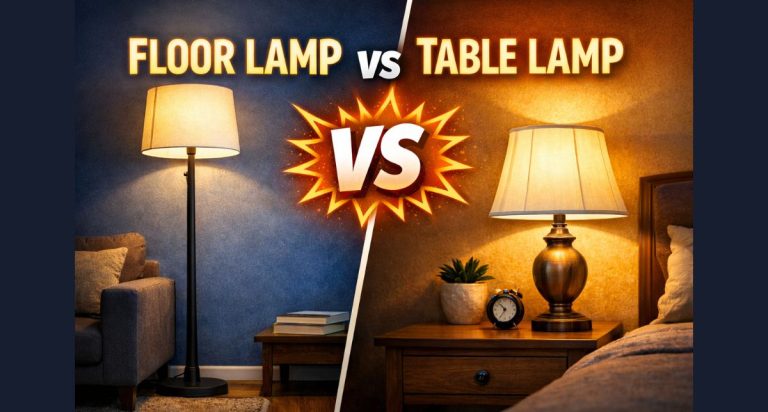
Mix overhead lighting with table lamps, floor lamps, and, where appropriate, wall lights. If you are updating a kitchen, hallway, or bathroom, a qualified electrician should handle anything involving fixed wiring. In some cases, especially in older homes, it is worth asking a professional to check whether the layout supports better lighting placement.
Hardware, frames, pillows, and curtains that change the whole room
Hardware is one of the smallest upgrades with the biggest impact. Cabinet handles, door furniture, and picture frames all influence whether a room feels polished or pieced together.
Pillows and curtains should also be treated as design elements, not afterthoughts. Curtains that are too short can make a room feel awkward, while cushions in clashing colours can break the visual flow. For rooms that need better layout planning, how to choose furniture for your home is a useful next step.
- Looks premium
- Easy to update
- Needs careful measurement
- Cheap finishes can look mismatched
Use Art, Mirrors, and Statement Pieces to Add a Curated Feel
Curated rooms feel expensive because they tell a visual story. Art, mirrors, and one or two statement pieces can give a space personality without making it feel overdone.
The key is restraint. A single large piece often looks more sophisticated than several small items competing for attention, especially in smaller UK homes where wall space is limited.
Practical examples for living rooms, bedrooms, and entryways
In a living room, a large framed print above a sofa can anchor the seating area. In a bedroom, a mirror above a dresser or a pair of coordinated bedside lamps can create symmetry and calm. In an entryway, a mirror, a slim console, and a tray for keys can make the whole home feel more organised.
If your living room is open-plan or awkwardly shaped, a statement rug or oversized artwork can help define the zone. For more room-specific ideas, living room ideas for stylish functional spaces can help you think through proportions before you buy.
What to avoid when mixing styles or sizes
Mixing styles can look rich and layered, but only if there is a common thread. Without that thread, the room can become visually noisy. Try to connect pieces through colour, material, or shape.
Be careful with artwork and mirrors that are too small for the wall. Undersized pieces can make a room feel unfinished, while overly ornate frames can overwhelm a simple scheme. When in doubt, go larger and simpler rather than smaller and busier.
| Idea | Best For | Difficulty |
|---|---|---|
| Wall panelling | Bedrooms and living rooms | Medium |
Expert Warning: When DIY Styling Goes Too Far
DIY styling can save money, but it can also tip a room into looking cluttered or unfinished if every trend is used at once. A space usually looks more expensive when it feels edited, not overloaded.
This is where it helps to step back and check the room as a whole. If the colours, textures, and furniture styles are all fighting for attention, the result may feel more temporary than timeless.
Signs your space looks cluttered, trendy, or unfinished
Watch for too many small decorative items, mismatched metal finishes, and furniture that does not relate in scale. These are common reasons a room feels less polished than it should.
Another warning sign is overusing trend-led pieces that do not suit the architecture of the home. A period terrace, for example, may look better with a more layered, classic approach than with every current trend all at once. If you are aiming for a calmer result, how to make your own bedroom layout can help you think more carefully about space and flow.
When to call a professional for paint, lighting, or layout help
Call a qualified professional if your project involves structural changes, fixed electrical work, or anything that affects safety and compliance. That includes major lighting changes, removing walls, or altering the layout of older properties where services may be hidden in unexpected places.
A professional interior designer can also help if you keep buying pieces that do not work together. Sometimes a short planning session saves money by preventing avoidable mistakes, especially in rooms with awkward proportions or difficult natural light.
If you are renovating a bathroom, kitchen, or extension area, it is worth checking whether specialist advice is needed before you buy finishes. Some design decisions are easy to change later, but layout, wiring, and plumbing are usually more expensive to correct after installation.
Final Recap: The Fastest Ways to Make Home Decor Look Expensive on a Budget
The fastest way to make home decor look expensive is to create calm, visual order. Start with a limited palette, choose well-scaled furniture, and repeat a few materials so the room feels connected.
Then focus on the details that matter most: lighting, curtains, hardware, mirrors, and a small number of strong accessories. With careful editing and a high-low budget approach, you can make a UK home feel more refined without overspending.
- Start with function and flow
- Choose a consistent colour palette
- Invest in anchor pieces first
- Use texture to add depth
- Edit accessories for a cleaner finish
Frequently Asked Questions
Cohesive colour, good scale, and a calm layout usually make decor look expensive. Repeating a few materials and finishes also helps a room feel more intentional.
Focus on paint, lighting, curtains, and a few well-chosen accessories. Editing clutter and improving furniture placement can change the feel of a room quickly.
Warm neutrals, soft stone shades, muted greens, charcoal, and rich earthy tones often read as more luxurious. The best choice depends on room size, natural light, and the age of the property.
Yes, mirrors can help a room feel brighter, larger, and more polished when they are the right size for the wall. They work best when paired with good lighting and simple styling.
Spend more on anchor pieces such as sofas, beds, rugs, curtains, and main storage. These items shape the room visually and are worth prioritising over small decorative extras.
Get professional help for structural changes, fixed electrical work, complex layouts, or if a room is difficult to plan. A qualified tradesperson or interior designer can help avoid costly mistakes.





8 Comments