Low Profile Furniture Ideas for Airy Living Rooms That Shine
Low profile furniture helps airy living rooms feel brighter, calmer, and more spacious by keeping sightlines open and reducing visual bulk. The best results come from pairing lower silhouettes with a light palette, careful layout, and pieces sized to the room.
Low profile furniture can make a living room feel lighter, calmer, and more spacious without sacrificing comfort. For UK homes where rooms often need to work hard, the right low-slung pieces can improve sightlines, help natural light travel further, and create a polished look that still feels practical.
- Lower silhouettes: They help preserve light and make rooms feel more open.
- Best pieces: Low sofas, slim tables, and armless seating work especially well.
- Layout matters: Floating furniture and clear flow improve spaciousness.
- Materials count: Light woods, linen, and matte finishes support the airy look.
Why Low Profile Furniture Works So Well in Airy Living Rooms
When furniture sits lower to the ground, more of the wall space and window area remains visible. That visual breathing room matters in compact flats, Victorian terraces, and open-plan extensions alike, because the eye reads the room as larger and less crowded.
Low profile furniture also tends to soften the overall composition of a room. Instead of tall, heavy shapes dominating the space, the furniture feels grounded and relaxed, which suits a bright, uncluttered living room beautifully.
How lower silhouettes preserve sightlines and natural light
Lower armrests, shorter backrests, and raised legs all help preserve sightlines across the room. If you can see more of the floor and more of the wall behind a sofa, the room usually feels more open, even if the actual footprint has not changed.
This is especially useful near bay windows, patio doors, or slim sash windows where you want daylight to reach the centre of the room. A low-backed sofa placed thoughtfully can keep the window area visually clear rather than blocking it.
Choose furniture with visible legs where possible. Even a few inches of lift can make a room feel less heavy and easier to clean around.
What “airy” really means in 2026 living room design
In 2026, airy design is less about making a room stark and more about creating a calm, breathable feel. It usually combines soft neutral colours, open floor area, layered lighting, and furniture that looks visually light rather than oversized.
That does not mean every piece must be minimal or modern. A traditional home can still feel airy if the proportions are right, the palette is restrained, and the room avoids too many visual interruptions.
Rooms often feel more spacious when the furniture arrangement leaves clear walking routes. Good flow can matter as much as colour choice.
Best Low Profile Furniture Pieces to Anchor an Open, Light-Filled Space
The best low profile furniture ideas for airy living rooms are not just stylish; they also need to suit daily life. Think about how you relax, entertain, and store things before choosing pieces that prioritise the look over the function.
Low-slung sofas and modular sectionals
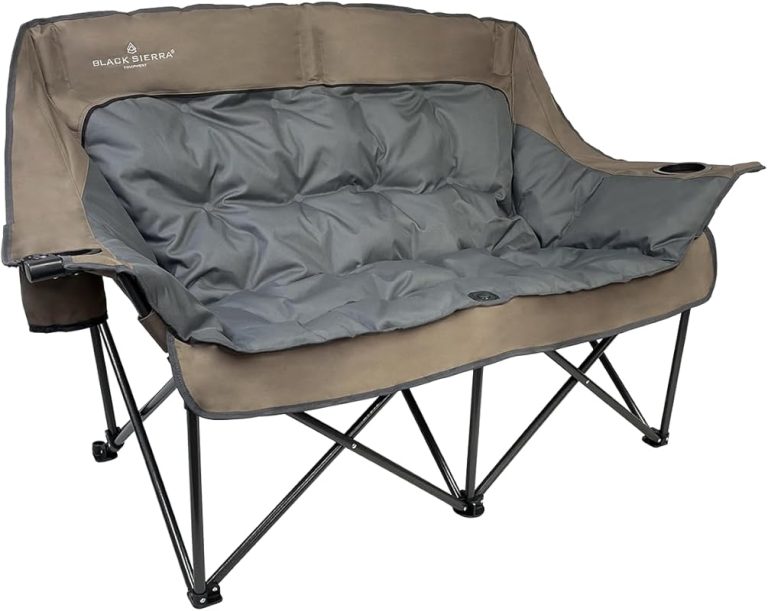
Low-slung sofas are a strong starting point because they set the visual tone for the whole room. A modular sectional can be especially useful in family living rooms, as it offers flexibility without the bulk of a tall, boxy sofa.
Look for slim arms, modest back height, and a seat depth that suits your posture. A sectional can work well in a room that also needs to connect with dining or kitchen areas, and it pairs neatly with sectional living room ideas when you want comfort without visual heaviness.
This idea works best for calm, modern, and space-conscious homes.
9/10
Platform coffee tables, ottomans, and nesting tables
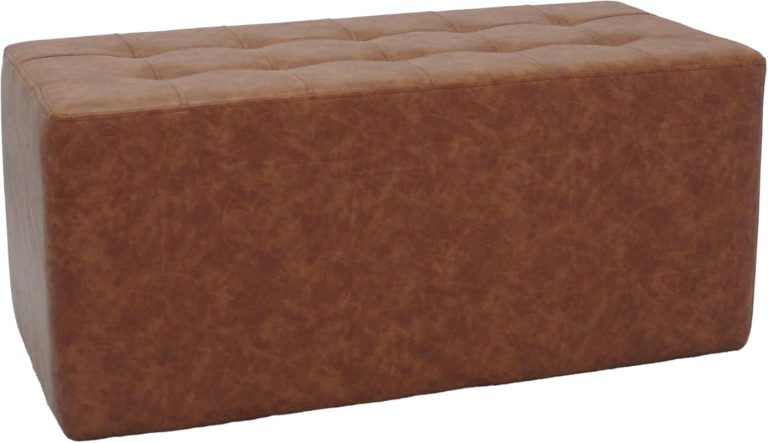
Coffee tables with a lower, flatter profile help keep the centre of the room visually open. Platform-style tables, upholstered ottomans, and nesting tables are all useful because they can provide function without adding too much height.
An ottoman can double as extra seating or a footrest, while nesting tables are ideal if you need occasional surface space but do not want a permanent bulky table. This is a smart choice for renters and smaller UK homes where flexibility matters.
Upholstered ottomans are practical, but they may need more maintenance than wood or stone-look tables, especially in homes with children, pets, or frequent guests.
Armless chairs, accent loungers, and slim benches
Armless chairs and accent loungers help keep the room visually open because they interrupt the eye less than wide, upholstered armchairs. Slim benches can also work well along a wall, under a window, or behind a sofa if you need occasional seating without a heavy footprint.
For a cohesive scheme, try to keep chair backs lower than nearby shelving or wall art. That small detail helps the room feel balanced rather than crowded from mid-height upwards.
Smart Layout Ideas for a Spacious Look Without Wasting Square Footage
Layout is where low profile furniture really earns its place. Even the best-looking sofa can feel wrong if it is pushed into a corner without thought for circulation, light, and focal points.
Floating furniture away from walls for better flow
Floating a sofa slightly away from the wall can improve the sense of depth in the room. It also creates a more intentional layout, which often feels more expensive and considered than lining every piece around the perimeter.
This approach works well in long living rooms, open-plan layouts, and spaces with a strong focal point such as a fireplace or garden view. A little space behind the furniture can make the room feel designed rather than simply filled.
In many homes, a room feels larger when the main seating area is defined by a rug and lighting rather than by walls alone. That gives the furniture a “zone” without boxing it in.
Using low profile pieces to define zones in open-plan homes
In open-plan homes, low furniture can help separate the living area from dining or kitchen zones without blocking views. A low-backed sofa, a narrow bench, or a low console behind seating can subtly mark the boundary while keeping the room connected.
This is particularly helpful in new-build layouts and side-return extensions, where one large room needs distinct functions. If you are planning a wider renovation, it can be worth speaking to an interior designer or architect about proportions before you buy major pieces.
Balancing negative space with functional seating
Negative space is the empty area that helps a room breathe. In an airy living room, that blank space is just as important as the furniture itself because it lets the eye rest and makes each piece feel more deliberate.
The trick is not to leave the room under-furnished. Instead, choose fewer pieces with better proportions, then make sure each one earns its place through comfort, storage, or visual impact.
Materials, Colors, and Finishes That Enhance the Airy Effect
Material choice can change the whole mood of a low profile room. Even a simple sofa looks more refined when the fabric, wood tone, and finish all support the same light, breathable feeling.
Light woods, linen, boucle, and matte finishes
Light woods such as oak can keep a room feeling fresh, while linen and boucle add softness without visual weight. Matte finishes are often better than high-gloss surfaces in airy rooms because they feel calmer and less reflective in a busy way.
That said, not every fabric suits every household. Linen can crease, boucle can trap dust more easily, and pale finishes may show wear faster, so it is wise to think about maintenance before committing.
- Oak or walnut wood
- Linen upholstery
- Matte brass hardware
Transparent and reflective accents that keep rooms feeling open
Glass-topped tables, mirrored decor, and reflective metals can help bounce light around the room. Used sparingly, they add sparkle without making the space feel busy.
The key is restraint. One reflective coffee table or a mirror positioned to catch daylight is usually enough; too many shiny surfaces can quickly feel cold or overworked.
Color palettes that support a soft, breathable look
Soft whites, warm greys, muted beige, pale clay, and gentle sage all work well with low profile furniture. These colours support a relaxed atmosphere and make the room feel more cohesive, particularly when carried across walls, upholstery, and accessories.
If you want more guidance on choosing tones that suit your home, you may find living room colours ideas useful, especially when you are balancing light, warmth, and personality in one scheme.
Practical Styling Examples for Different Living Room Sizes
Low profile furniture is flexible, but the right mix depends on the size of the room. A piece that feels elegant in a large space may look too small in a compact flat, so scale always matters.
Small apartments: maximizing openness with fewer, lower pieces
In a small apartment, a low-backed sofa, one compact lounge chair, and a nesting table set may be enough. Keeping the number of items down helps the room feel easier to use and prevents the layout from becoming cramped.
Choose furniture with built-in storage where possible, and avoid oversized cushions or heavy side tables that eat into the floor area. A clear floor line can make a small room feel noticeably more open.
- Measure the space
- Pick a palette
- Plan lighting layers
Medium family rooms: mixing comfort with visual lightness
Medium-sized family rooms usually need a balance between practicality and style. A low profile sectional, one or two accent chairs, and a coffee table with a slim base can give you enough seating without making the room feel heavy.
This is where soft texture becomes especially useful. A room can feel relaxed and family-friendly while still looking airy if you keep the backs low, the colours calm, and the accessories edited.
Large living rooms: preventing low furniture from feeling lost
In a larger room, low furniture can sometimes disappear if it is not anchored properly. You may need a larger rug, stronger lighting, and a more defined arrangement to stop the furniture from looking underscaled.
Artwork, floor lamps, and taller plants can help rebalance the room vertically without undermining the airy feel. The aim is to create contrast, not clutter.
Common Mistakes That Make Low Profile Furniture Feel Wrong
Low profile furniture only works when it is matched to the room properly. A few common missteps can make an airy scheme feel awkward rather than elegant.
Choosing pieces that are too small, too deep, or too close to the floor
Furniture that is too small can look lost, while pieces that are too deep can feel slouchy rather than refined. Likewise, furniture that sits almost directly on the floor may reduce the sense of lightness instead of improving it.
Comfort matters too. A sofa can look beautiful but still be a poor choice if the seat depth or back support does not suit the people who use it every day.
Always check dimensions against your room, doorways, and stair access before ordering large furniture. In UK homes, tight hallways and awkward turns can make delivery more complicated than expected.
Ignoring scale, ceiling height, and rug proportion
Scale is one of the biggest reasons low furniture feels off. In a room with tall ceilings, very low pieces may need help from tall lamps, artwork, or a larger rug to stop the room from feeling bottom-heavy.
On the other hand, in a low-ceilinged room, keeping the furniture lower can be a real advantage. The key is to make sure the proportions feel intentional rather than accidental.
Overcrowding an airy room with too many accessories
Too many cushions, small side tables, decorative objects, and layered throws can undo the effect of low profile furniture. The room may still be bright, but it will no longer feel spacious.
Try editing accessories in the same way you would edit furniture: choose a few stronger pieces instead of many smaller ones. That usually gives a cleaner, more confident result.
- Creates a calm, open feel
- Improves sightlines and flow
- Works in small and large rooms
- Needs careful scale planning
- Can feel sparse if under-styled
- Some fabrics need more upkeep
Expert Tips, Budget Considerations, and What to Watch Before Buying
Buying low profile furniture is partly about style and partly about long-term practicality. The best choice is one that suits your room, your routine, and your budget without creating regrets six months later.
How to compare quality, comfort, and price in 2026
Rather than focusing only on the look, compare frame construction, upholstery quality, cushion fill, and how easy the piece is to maintain. In 2026, many ranges offer similar silhouettes, so the details often separate a decent buy from a better one.
If you are shopping online, check measurements carefully and read the product description for seat height, depth, and leg style. If you are buying in person, sit on the furniture for long enough to judge whether it supports you properly.
When low profile furniture is worth the investment
It is usually worth investing more when the furniture will be used daily, sits in the main living area, or needs to work hard in an open-plan home. A well-made sofa or sectional can shape the whole room, so quality often pays off there first.
You may be able to save on occasional pieces such as side tables, accent stools, or decorative benches, especially if the main seating and rug already provide enough visual structure.
Warning signs: back support, seat depth, and durability concerns
Be cautious if a sofa looks stylish but offers little back support, awkward seat depth, or cushions that seem likely to flatten quickly. These issues are especially important in family homes where the sofa is used every day.
Also consider how the piece will age. Light fabrics, delicate finishes, and very low bases can be attractive, but they may need more care than a busy household can realistically give.
If your living room is part of a larger renovation, it can be sensible to coordinate furniture choices with flooring, lighting, and joinery before finalising the purchase. That helps avoid mismatched proportions later.
Final Recap: The Best Low Profile Furniture Ideas for Airy Living Rooms That Shine
Low profile furniture works so well because it supports openness, light, and calm without making a room feel empty. When the silhouettes are lower, the layout is thoughtful, and the materials are chosen with care, the whole space feels brighter and more polished.
For UK homes, the best results usually come from balancing comfort with restraint. Keep the room functional, respect the proportions, and let negative space do some of the design work for you.
Key takeaways for creating a light, open, and polished space
Start with the largest pieces first, then build around them with lighter tables, slim seating, and a restrained colour palette. If you want more inspiration for balancing style and function, stylish functional living room ideas can help you shape the rest of the room.
When in doubt, choose fewer pieces of better quality rather than filling the room too quickly. That approach usually gives the most elegant airy result.
Quick checklist for choosing the right pieces
Measure carefully, check seat height and depth, and make sure the furniture suits both the room size and the way you live. Then decide whether your room needs a sofa that disappears visually or a statement piece that still keeps the space feeling open.
If you are planning the room from scratch, a calm layout and a clear palette are often the strongest foundation. For a broader approach to creating a restful home, you may also like how to design a living room that feels calm.
- Start with function
- Choose a consistent palette
- Balance storage, comfort, and style
Frequently Asked Questions
Low-slung sofas, slim coffee tables, armless chairs, and nesting tables usually work well. They keep sightlines open and help the room feel lighter.
Use fewer, lower pieces and keep the layout open where possible. Light colours, visible legs, and a clear walking route can make a big difference.
They can be, but comfort depends on seat depth, cushion fill, and back support. Always check the proportions against how you actually sit and relax.
Light woods, linen, boucle, glass, and matte finishes all suit an airy look. The best choice depends on how much maintenance your household can handle.
Yes, but it needs stronger anchoring through rugs, lighting, and a clear layout. Otherwise the furniture can look too small or disconnected.
Add texture, layered lighting, and a few well-chosen accessories rather than lots of small items. The goal is calm balance, not emptiness.