10 Best Colors to Paint a Bedroom: Expert Picks for Calm, Cozy, and Stylish Spaces
Choosing the right paint color can change how a bedroom feels and how well we sleep. Soft, cool tones can make a room feel calm and larger, while warm or deep shades add coziness and drama. Paint also protects walls and hides flaws, so the color should balance style with practical needs like light and room size.
We focus on colors that work in real homes and for real routines. The most important thing to consider is how light—both natural and artificial—affects the shade in your room, since the same color can look very different at morning, noon, and night. Other key factors include the room’s size, the finish (matte vs. satin), and how the color pairs with furniture and flooring, all of which we weigh as we test and recommend options that suit different tastes and needs.
Best Bedroom Paint Colors
Below is our full list of the best colors to paint a bedroom. We chose shades that suit sleep, relaxation, and style while keeping upkeep and lighting in mind. Use our picks to find a color that fits your room and mood.
Evolve Pale Pink Eggshell

We recommend this paint when you want soft, low-odor color with good washability for bedrooms and other indoor spaces.
Pros
- Paint + primer saves time and often reduces coats.
- Low VOC and low odor make it easier to use indoors.
- Eggshell finish cleans up well and looks soft on walls.
Cons
- One-coat coverage may not always be reliable on all surfaces.
- Pale pink can appear lighter or darker than photos suggest.
- Some users report a stronger chemical smell or inconsistent color.
We like that Evolve combines primer and paint so projects move faster. The eggshell sheen gives a gentle glow that fits bedrooms and halls without looking shiny.
The low odor and low VOC formula helps when painting occupied rooms. It also claims good stain and scrub resistance, which keeps walls looking cleaner longer.
Color accuracy varies by screen and surface, so test a small area first. Coverage estimates are solid, but plan for a second coat if your walls are uneven or darker underneath.
Heirloom Traditions Peony (Pale Pink) Quart

We recommend this paint if you want an easy, low-prep pale pink for cabinets or furniture that covers many surfaces.
Pros
- No sanding, priming, or top coat needed for many jobs.
- Works on lots of surfaces including wood, laminate, metal, and vinyl.
- Low odor and fast drying for quicker projects.
Cons
- Light colors may need extra coats over dark surfaces.
- True color can differ from screen images.
- Some projects still take multiple coats for full coverage.
We like this color for bedrooms that need a soft, warm feel without a lot of prep work. The pale pink reads gentle in daylight and can warm up neutral palettes without feeling bright.
Application seems simple: clean, paint, repeat for a second coat. The built-in primer and matte finish cut steps for small furniture or accent pieces.
Expect to test first on a small area or use a swatch card to check the exact shade in your room light. That helps avoid surprises and reduces extra coats.
Evolve Beach Beige (Semi-Gloss) – EVOLVE
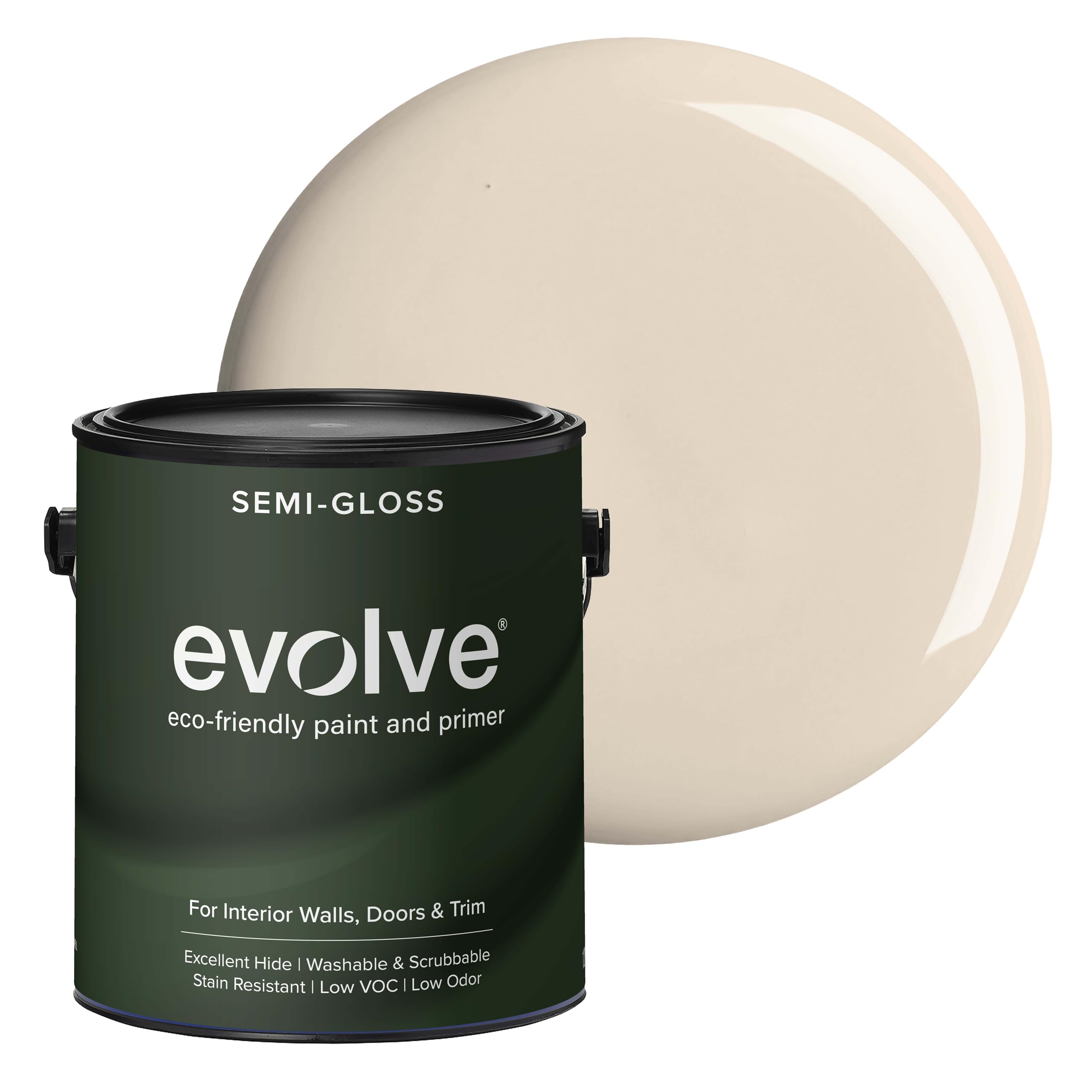
We recommend this paint when you want a warm, neutral bedroom color that covers well in one coat.
Pros
- One-coat coverage that saves time.
- Low odor and low VOC for indoor use.
- Semi-gloss finish cleans easily.
Cons
- Semi-gloss can highlight surface flaws.
- Color may look lighter than expected in some lights.
- VOC level is higher than ultra-low-VOC options.
We like the Beach Beige tone for bedrooms because it reads warm without being too dark. The color works with many bedding and decor choices and gives the room a calm, neutral base.
The paint-and-primer formula helps reduce the need for multiple coats, which speeds up the job and cuts down on paint use. Coverage of about 300–400 sq ft per gallon means one gallon can handle a small to medium bedroom with some spare.
Semi-gloss makes the walls easy to wipe clean, which suits busy households. Keep in mind that shinier finishes show bumps and brush marks, so prepare surfaces well before painting.
Prestige Pure Pink Semi-Gloss (1 gal)

We recommend this paint when you want an easy-clean, bright pale pink for a bedroom and don’t mind doing a second coat for full coverage.
Pros
- Dries fast and cleans up with soap and water.
- Low VOC formula for indoor use.
- Semi-gloss brightens light colors and resists humidity.
Cons
- Semi-gloss shows surface flaws more than flatter sheens.
- Some colors may need two coats for full coverage.
- Not the original brand match — color can vary from screen.
This paint self-primes on properly prepared drywall and gives a shiny, clean look that makes pale pinks pop. We like it for bedrooms that need a brighter, fresher feel and simpler cleaning.
Preparation matters: remove loose paint, wash grease and dust, sand glossy spots, and patch holes before painting. New plaster or wood might need extra primers for best adhesion.
Application is straightforward with a good roller or brush, and you can thin slightly for spraying. Expect about 250–400 sq ft per gallon and a 1-hour dry time with 4 hours before recoating.
Buy it on Amazon: Prestige Pure Pink Semi-Gloss (1 gal).
Rust-Oleum Coastal Blue Chalked Paint
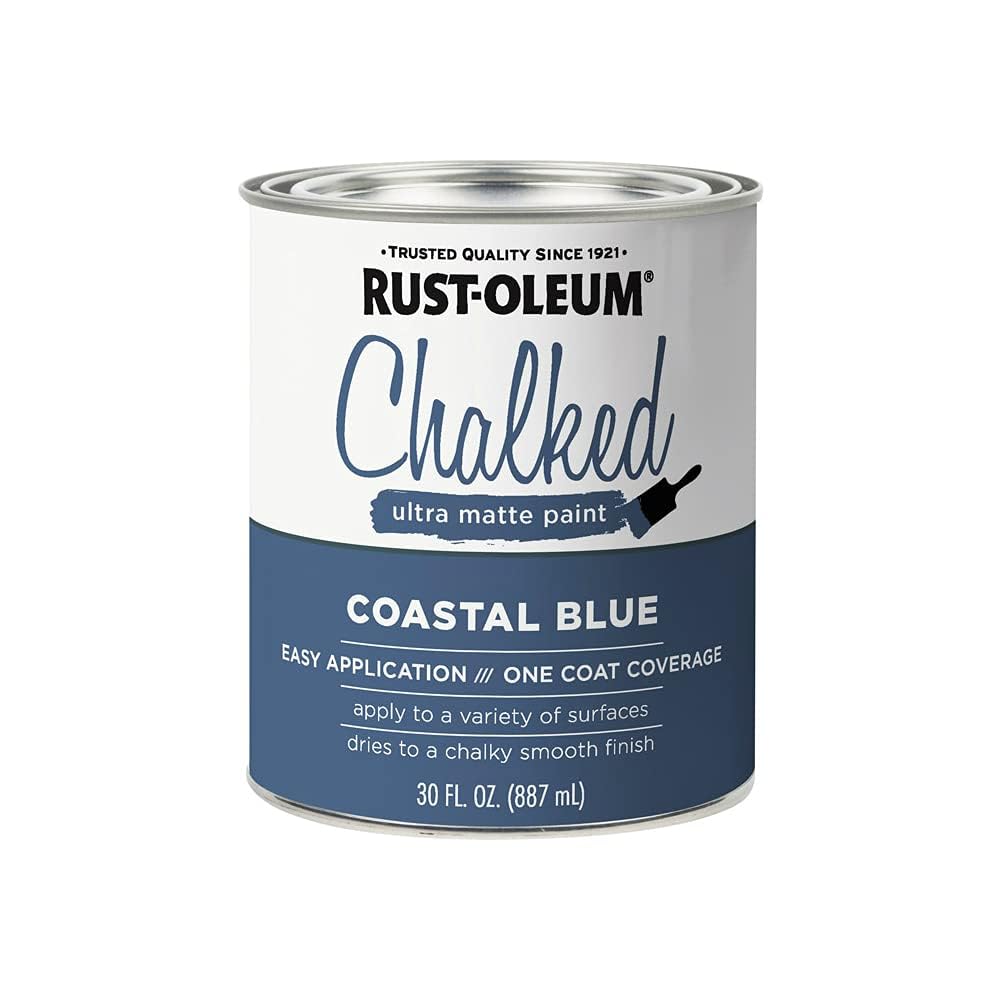
We recommend this for DIY bedroom accents when you want a soft, matte vintage look without much prep.
Pros
- Easy one-coat coverage on many surfaces.
- Ultra-matte finish feels smooth and modern.
- Low odor and simple soap-and-water cleanup.
Cons
- Not fully waterproof—needs a sealer for high-use areas.
- Small container may require buying more for large rooms.
- Can arrive dented or damaged in rare cases.
We like how the Coastal Blue gives a calm, muted tone that suits bedrooms. It works well on furniture, trim, or a feature wall where a velvety matte finish helps set a relaxed mood.
Application feels simple because Rust-Oleum says no primer or sanding is needed for many surfaces. Dry time is quick, so you can do touch-ups the same day. Still, for floors or humid spots, plan to add a clear topcoat.
Coverage per 30 oz can fits small projects and accent pieces rather than whole rooms. If you plan a full bedroom repaint, budget for extra cans. Overall, this paint fits projects where a soft, vintage look matters more than extreme durability.
Rust-Oleum Painter’s Touch — Gloss Almond
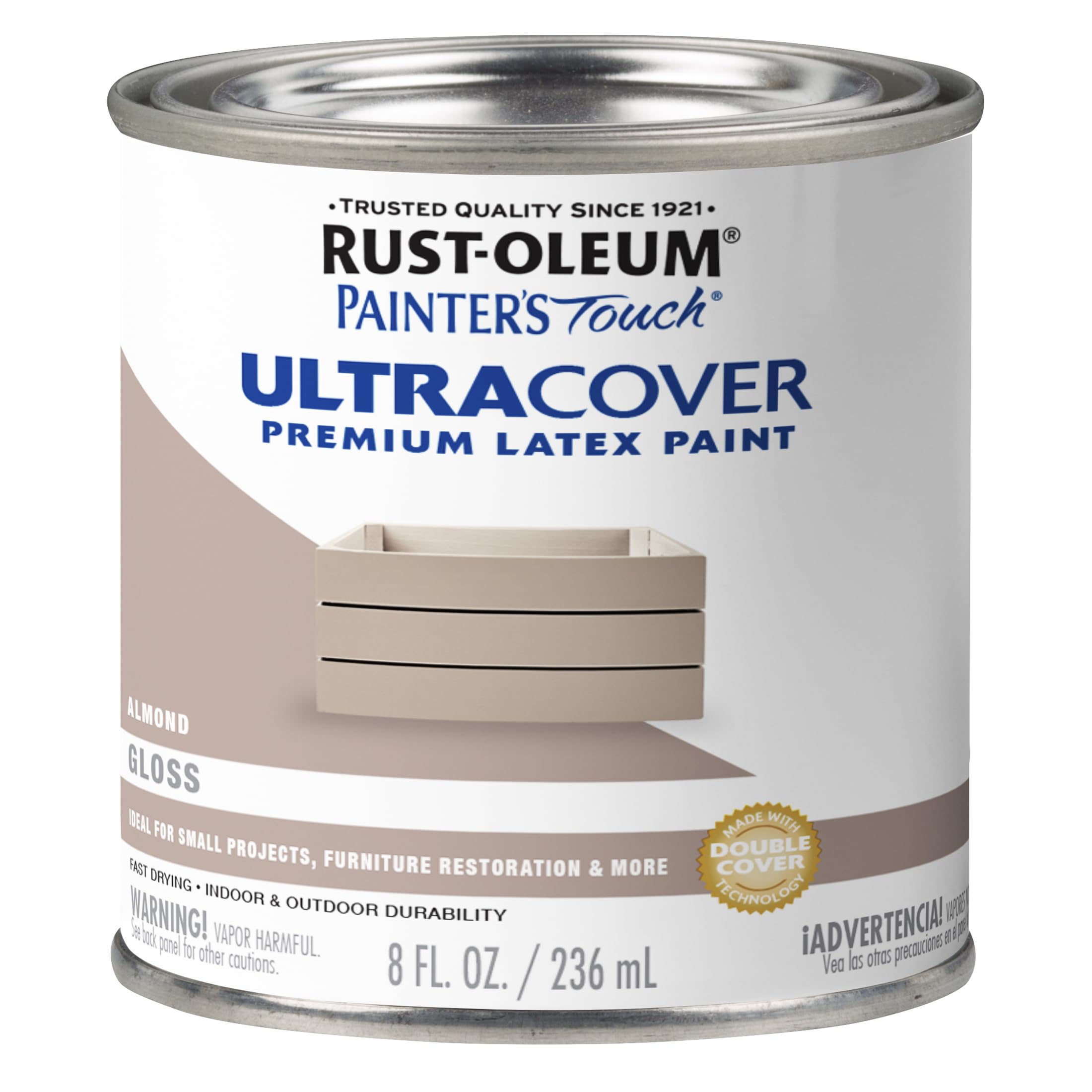
We recommend this small can for quick touch-ups or sample testing because it dries fast and hides well.
Pros
- Dries quickly for fast projects
- Good coverage on many surfaces
- Low odor and chip resistant
Cons
- Small can size limits larger rooms
- Gloss finish can highlight flaws
- Color may shift slightly as it dries
This brush-on enamel works on wood, metal, plaster, and ceramics, so we can use it for trims, furniture, and small walls. The water-based formula keeps smell low and cleans up easily with soap and water.
Coverage is roughly 30 sq ft per can, which makes this better for samples, accents, or touch-ups than full-room painting. The gloss look wipes clean but can reveal bumps and brush marks if we don’t prep the surface well.
Prep matters: sand, degrease, and dry the surface first. That helps the paint stick and reduces the need for extra coats.
Prestige Winter Sage (Semi-Gloss)

We recommend this paint if you want a ready-to-use, washable semi-gloss that brightens a bedroom and cleans up with soap and water.
Pros
- Paint and primer in one for fewer coats in many cases
- Low VOC and easy soap-and-water cleanup
- Semi-gloss finish brightens pale colors and resists humidity
Cons
- Semi-gloss highlights wall flaws more than flatter finishes
- Some colors may need two coats for full coverage
- Surface prep still required for best results
This color reads as a soft sage that can make a bedroom feel calm without going too dark. The semi-gloss adds a slight sheen that lifts off-whites and pale shades, which helps small rooms feel brighter.
We liked that it cleans up with warm water and has low VOCs, so odors are milder while painting. The paint also advertises mold resistance and a one-hour dry time with recoat in four hours, which speeds small projects.
Prep matters. Glossy or stained surfaces may need a primer or sanding first, and new wood or metal sometimes require a different primer. If perfection matters, plan for touch-ups or an extra coat.
Prestige Winter Sage (Semi-Gloss)
KILZ Tribute Papyrus (8 oz sample)
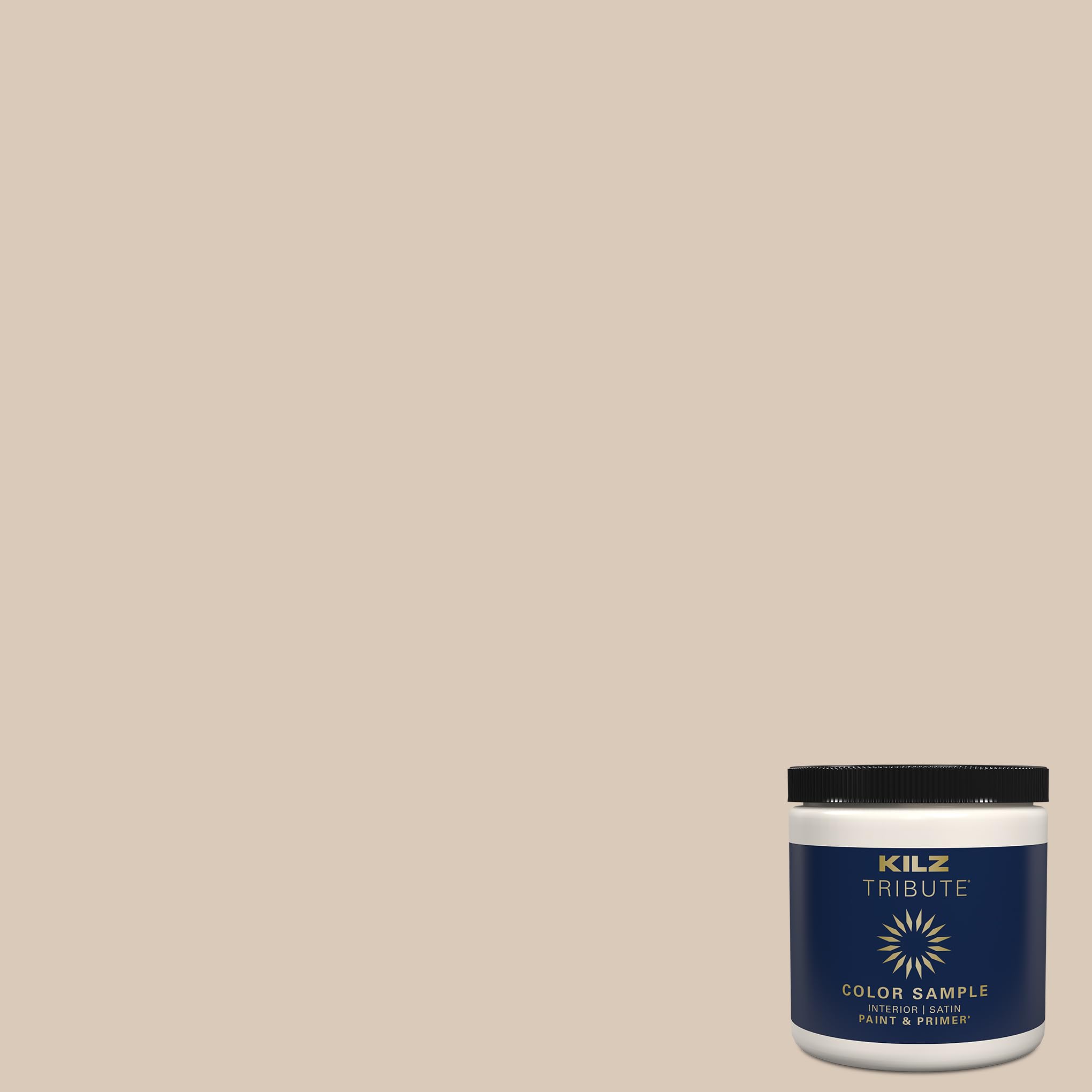
We recommend this sample if you want a neutral, easy-to-match bedroom color and low-VOC paint with primer included.
Pros
- Good hide and coverage for a small sample.
- Low-VOC, washable satin finish.
- Neutral almond tone that pairs with many styles.
Cons
- Sample size only covers a small area.
- Papyrus may read lighter or warmer on different lighting.
- Not suited for heavy stain blocking on its own.
We like Papyrus for bedrooms because it creates a soft, neutral backdrop that lets bedding and art stand out. The satin sheen gives a slight glow without being shiny, and the paint is scrub-able for normal cleaning.
This 8-ounce sample helps test the color in your room before buying a gallon. Use it on a poster board or a small wall section to see how light changes the tone through the day.
The paint and primer formula claims good coverage and low VOCs, which matters in a bedroom where air quality and durability matter. Keep in mind you may need a full gallon for a whole room, especially over darker walls.
Buy the KILZ Tribute Papyrus sample on Amazon
Evolve Satin (Greenhouse)
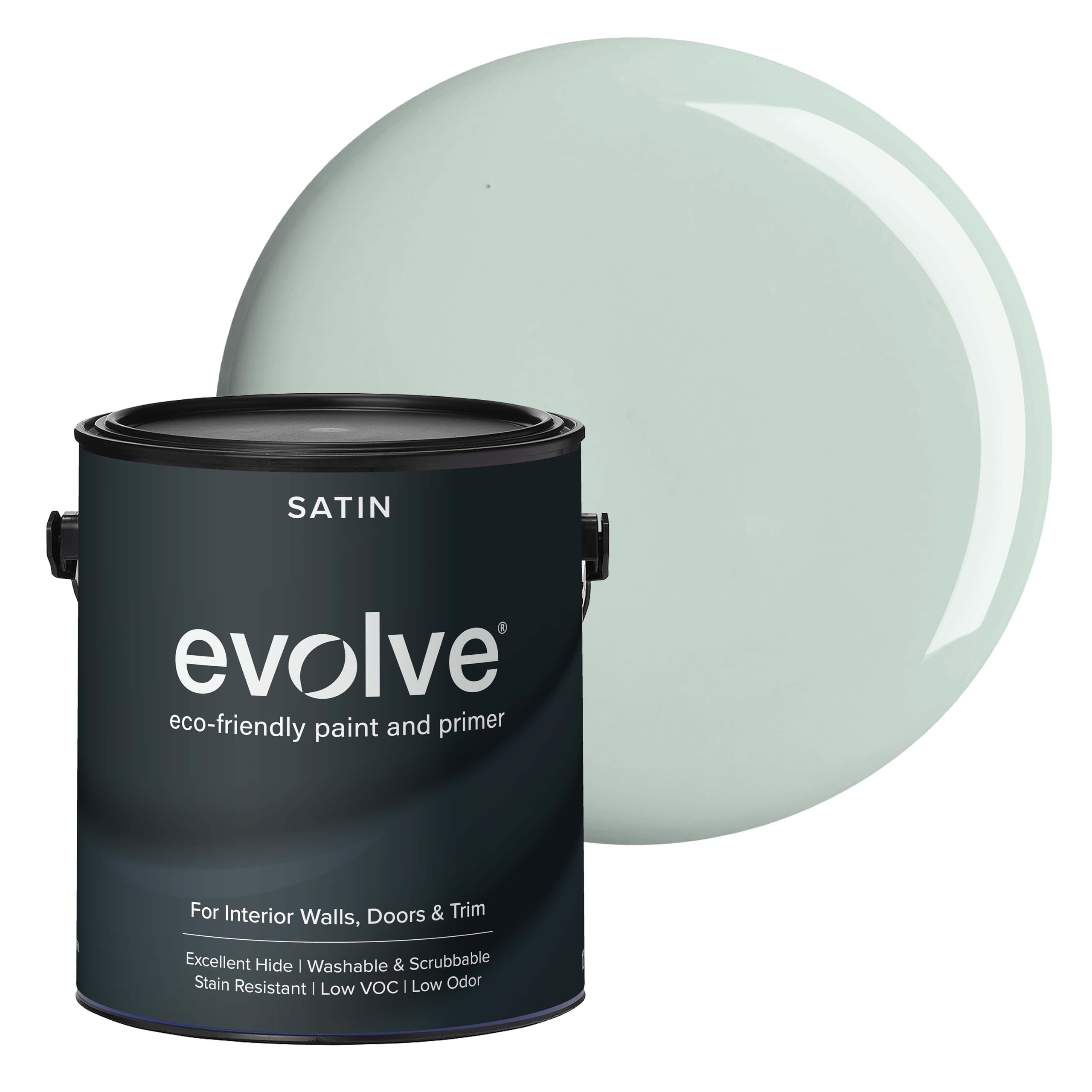
We recommend this paint if you want a durable, low-odor satin finish that covers well in rooms with some moisture.
Pros
- One-coat paint + primer formula helps speed up the job.
- Satin finish resists scuffs and cleans easily.
- Low VOC and low odor make it easier to use indoors.
Cons
- Some users needed a second coat for perfect hide.
- Shipping problems reported, cans arrived damaged for a few buyers.
- Mixed color accuracy reports mean double-checking swatches helps.
The satin sheen balances a soft luster with durability, so it works for bedrooms that see daily wear or higher humidity. We find that the washability and stain resistance make touch-ups easier down the road.
Coverage claims list about 300–400 sq ft per gallon, but several reports say tougher spots or seams may need a second coat. Plan for a little extra paint if you want flawless seams or heavy color changes.
Customer feedback shows good color payoff and a pleasant finish, though some buyers had transit or color-mismatch issues. We suggest ordering a sample or testing a small area before committing to full gallons.
Prestige Softer Tan (Semi-Gloss)

We recommend this paint if you want an affordable, easy-clean semi-gloss tan that brightens a bedroom but may need careful prep for best results.
Pros
- Good hide on many walls with smooth application.
- Built-in primer saves a step on properly prepared surfaces.
- Low VOC and soap-and-water cleanup.
Cons
- Some colors may need more than one coat for full coverage.
- Semi-gloss shows wall imperfections more than flatter finishes.
- Actual color can differ from what you see on screen.
We like this shade when you want a warm, neutral tone that makes a small bedroom feel brighter. The semi-gloss sheen reflects light and can lift off-whites and pale shades, which helps in rooms with limited daylight.
We note the paint comes as a paint-and-primer blend, so it can cut prep time on drywall or previously painted walls. Proper surface cleaning and sanding still matter to avoid spots and to get an even finish.
We caution that glossy finishes reveal bumps and repairs. If your walls have imperfections, plan to patch and sand thoroughly or pick a lower sheen.
We also point out that some users needed extra coats to fully hide the old color. Stir and intermix cans for uniform shade, and test a small area first to confirm the match.
Buying Guide
We focus on color, finish, and product quality when choosing paint for a bedroom. Think about how the color makes you feel and how much natural light the room gets.
We check paint finish next. Flat/Matte hides wall flaws but is harder to clean. Eggshell/Satin balances durability and low shine for most bedrooms. Semi-gloss is very durable but shows imperfections.
We look at coverage and tinting strength. Better coverage means fewer coats, saving time and money. Ask for a sample pot to test color on your wall under different light.
We pay attention to VOC levels and safety. Lower VOC paints are better for indoor air quality, especially in bedrooms. Let the room ventilate while painting and during drying.
We consider durability and washability. If the room will see more use or kids, choose finishes that clean easily. Also check for scuff resistance and how well touch-ups blend in.
We compare price vs. value. Higher cost can mean better pigments and coverage, but it’s not always necessary. Calculate total cost by estimating how many gallons you need and factoring in primers and tools.
We use a small test area and live with the color for a few days before committing. Observe the paint in morning and evening light. This helps us avoid costly mistakes.
| Feature | What to look for |
|---|---|
| Color | Test in room light; consider mood and size effects |
| Finish | Balance appearance vs. cleanability |
| Coverage | Fewer coats saves time |
| VOCs | Choose low-VOC for safety |
| Durability | Better for high-use rooms |
| Cost | Estimate total project cost before buying |
FAQS
Which colors make a bedroom feel bigger?
We recommend light and cool tones like soft whites, pale blues, and light grays. These colors reflect more light and make walls recede, so the room feels larger.
What colors help with sleep?
We suggest muted, cool colors such as dusty blue, soft green, and warm gray. These hues lower visual stimulation and create a calm atmosphere for rest.
Are dark colors bad for bedrooms?
Dark colors can work well if the room has good lighting and the space is large enough. We use deep blues or charcoal to add coziness, but avoid very small rooms with weak light.
How many colors should we use in a bedroom?
We usually stick to a main wall color, an accent color, and a trim color—three at most. This keeps the space balanced and visually appealing.
Should we test paint before committing?
Yes. We advise painting sample swatches on different walls and checking them at night and day. Light and nearby furnishings can change how a color looks.
What finish should we pick?
We prefer eggshell or satin for bedrooms because they balance durability and a soft look. Use flat on ceilings and high-gloss only for trim or small details.
Can paint affect mood?
Paint can influence mood in small ways. We choose colors that support the room’s purpose, like calming tones for sleep or warm neutrals for relaxation.
How do we match paint to furniture?
We pick a neutral base and add accent colors from pillows, rugs, or art. This helps tie the room together without overwhelming the space.


