What Furniture Is Used in a Boho Room Style Guide
Boho rooms usually use low sofas, woven chairs, wooden tables, and relaxed storage pieces made from natural materials. The best look comes from mixing comfort, texture, and a few carefully chosen vintage or handmade items.
If you’re wondering what furniture is used in a boho room, the short answer is: relaxed, layered pieces made from natural materials, with a mix of vintage, handmade, and comfortable modern shapes. A boho room usually feels collected over time rather than perfectly matched, which makes furniture choice just as important as colour or decor.
For UK homes, that often means low sofas, woven chairs, wooden tables, open shelving, and storage pieces that feel warm and lived-in. The best boho rooms are practical too, so the furniture should suit the size of your space, your lifestyle, and how much maintenance you’re happy to do.
- Core pieces: Sofas, chairs, coffee tables, and storage define the look.
- Best materials: Rattan, cane, wood, linen, bouclé, and leather work well.
- Layout rule: Keep the room layered but leave enough breathing space.
- Smart budgeting: Spend more on anchor furniture and save on smaller accents.
What Furniture Is Used in a Boho Room? Core Pieces That Define the Style
Boho furniture is usually soft-edged, relaxed, and tactile. Instead of sharp, formal lines, the style leans into comfort, natural texture, and an easy mix of pieces that don’t look too coordinated.
That said, boho is not just about “anything goes.” A good room still needs a clear anchor: a sofa, a table, a bed, or a storage piece that sets the tone and keeps the layout grounded.
Low-Slung Sofas, Floor Seating, and Relaxed Lounge Chairs
A boho living room often starts with a sofa that feels deep, soft, and easy to sink into. Low-slung sofas work especially well because they create a relaxed profile and leave more visual space above the furniture, which can help smaller UK living rooms feel less crowded.
Floor cushions, pouffes, and oversized ottomans are also common in boho rooms. They add flexible seating for guests and make the space feel informal without needing a lot of extra bulk.
Relaxed lounge chairs are another key piece. Think rattan accent chairs, sling chairs, or upholstered chairs with rounded arms and a laid-back shape. If you’re choosing a sofa for a compact room, it can help to read a guide like how to choose the right sofa so the scale works with the rest of the furniture.
In a boho room, one generous sofa often works better than several small seating pieces. It creates calm, while cushions, stools, and chairs can add the layered look.
Wooden Coffee Tables, Side Tables, and Mixed-Material Accents
Wooden coffee tables are one of the most reliable boho furniture choices. Reclaimed wood, mango wood, oak, and rustic finishes all suit the style because they bring warmth and a slightly imperfect, collected feel.
Side tables can be simple and functional, but boho styling often looks best when they vary slightly in height, shape, or material. A round timber table beside a woven chair, for example, feels more natural than a matching set.
Mixed-material accents also matter. A wood table with a cane shelf, a metal-framed stool with a woven top, or a glass-and-rattan lamp table can all help the room feel layered without becoming heavy. For more ideas on creating a cohesive look, it can help to explore how to match furniture colours so the mix still feels intentional.
Boho rooms often look best when furniture heights vary slightly. That visual rhythm helps the room feel relaxed and layered rather than flat.
How to Choose Boho Furniture That Feels Collected, Not Cluttered
The main challenge with boho furniture is restraint. Because the style invites texture and variety, it’s easy to add too much and end up with a room that feels busy rather than welcoming.
The trick is to think in layers: start with a few practical anchor pieces, then add character through shape, texture, and small variations in finish.
Balancing Texture, Shape, and Negative Space
Boho rooms need texture, but they also need breathing room. If every surface is woven, carved, patterned, or fringed, the room can begin to feel visually noisy.
A better approach is to pair textured furniture with simpler shapes. For example, a cane chair can sit beside a plain linen sofa, or a carved wooden sideboard can be balanced by a calm, unadorned wall.
Negative space matters just as much as the furniture itself. Leaving a little open floor around key pieces helps the room feel more relaxed and makes it easier to move through, especially in terraced houses and flats where space is limited.
Mixing Vintage, Handmade, and Modern Pieces for a Layered Look
The most convincing boho rooms usually combine old and new. A vintage cabinet, a handmade stool, and a modern sofa can work beautifully together if they share a similar warmth in tone or material.
This approach is especially useful if you’re decorating on a budget, because you do not need every piece to come from the same shop or collection. In fact, too much matching can make boho style feel less authentic.
If you’re trying to keep costs sensible, a practical sourcing mix can help. New furniture gives you reliability, vintage pieces add character, and DIY updates can make budget finds feel more personal. For more ideas, see how to decorate a home on a budget without sacrificing style.
Boho style works best when the room has a clear anchor colour, even if the furniture mix is eclectic. Warm neutrals, muted greens, clay tones, and soft browns tend to hold the look together well.
Best Furniture Materials for a Boho Room in 2025
Material choice is one of the biggest things that separates a boho room from a room that merely has “boho-inspired” decor. Natural, touchable finishes are still central to the style, but they can be used in more refined ways than before.
In 2025, the strongest boho interiors tend to feel softer, less themed, and more grounded in everyday comfort.
Rattan, Cane, Wicker, and Natural Fibers
Rattan and cane remain classic boho materials because they add warmth, pattern, and a handmade feel without much visual weight. They work particularly well in chairs, cabinet doors, headboards, and occasional tables.
Wicker and other woven fibres can also be used in baskets, stools, and storage furniture. These pieces are useful as well as decorative, which suits boho rooms that need flexible storage for throws, books, and everyday clutter.
Natural fibres do need some care. They can be more sensitive to moisture, heavy wear, and direct sunlight, so they are best used where they won’t be knocked about constantly.
Reclaimed Wood, Bouclé, Linen, and Leather
Reclaimed wood is a strong choice for boho furniture because it adds age, grain, and character. It works especially well for coffee tables, benches, sideboards, and bed frames.
Bouclé and linen upholstery bring softness and a relaxed feel to larger pieces. Linen is especially good if you want a breathable, slightly casual finish, while bouclé adds a cosy, tactile layer that can make a room feel more inviting.
Leather can also fit a boho room, particularly in warm tan, cognac, or distressed finishes. It adds depth and contrast, especially when paired with softer fabrics and woven accents.
If you want a boho room to feel timeless, choose one or two dominant materials and repeat them in different forms. For example, combine oak, linen, and cane across the main furniture pieces so the room feels coordinated without looking forced.
When to Use Metal or Painted Furniture Without Losing the Boho Feel
Metal can work in boho rooms if it is used carefully. Matte black, aged brass, or softly brushed finishes tend to suit the style better than shiny chrome or overly industrial detailing.
Painted furniture can also fit, especially if the finish is muted or slightly weathered. Soft cream, earthy green, dusty terracotta, and chalky white can all support a boho look when paired with natural textures.
If you’re styling a room with a mix of finishes, it helps to keep the overall palette under control. A consistent colour direction can prevent the space from drifting into a mismatched look.
- Measure the space
- Pick a palette
- Plan lighting layers
Boho Furniture by Room: Living Room, Bedroom, and Small Space Ideas
Different rooms call for different furniture priorities. A boho living room needs flexible seating and a sociable layout, while a boho bedroom should feel calmer, softer, and more restful.
Small spaces need the same style cues, but with more discipline around scale, storage, and circulation.
Living Room Furniture That Supports a Warm, Relaxed Layout
In a boho living room, the furniture should encourage conversation and comfort. A sofa, one or two accent chairs, a coffee table, and at least one storage piece is usually enough to build the room without overcrowding it.
Open shelving, low sideboards, and woven baskets can help with storage while keeping the look airy. If you want to style the room around a TV without losing the boho feel, furniture placement matters as much as the pieces themselves, so a layout guide such as how to arrange living room furniture around a TV can be useful.
For a soft, relaxed scheme, many homeowners also prefer furniture that sits slightly off the floor or has visible legs. This gives the room a lighter profile and helps the layout feel less bulky.
Bedroom Furniture That Creates a Cozy, Layered Retreat
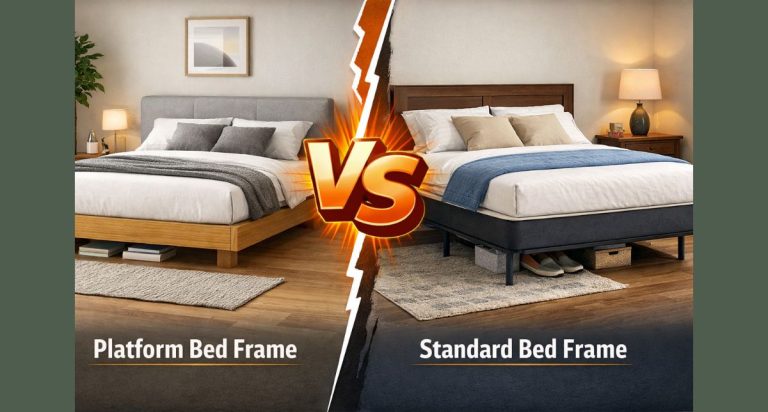
Boho bedrooms usually start with a bed frame that feels warm and grounded. Wood, cane, upholstered, or low-profile frames all suit the style, depending on whether you want the room to feel rustic, airy, or soft.
Bedside tables, a chest of drawers, a bench, and a reading chair are common additions. The key is to keep the furniture practical and avoid filling every corner, especially in smaller UK bedrooms where movement around the bed matters.
If you need help planning the layout, a bedroom-specific resource like how to make your own bedroom layout can help you think through proportions before you buy. For compact rooms, it’s also worth considering how to decorate a small bedroom so the style stays relaxed rather than cramped.
Space-Saving Boho Furniture for Apartments and Compact Homes
Boho style can absolutely work in flats, studio apartments, and smaller terraced homes. The key is choosing furniture that does more than one job.
Look for storage ottomans, nesting tables, benches with hidden storage, slimline sideboards, and wall-mounted shelving. These pieces keep the room useful without taking up too much visual space.
Transparent or leggy furniture can also help in compact rooms. A glass side table, a woven chair with an open frame, or a small bench with tapered legs can make the room feel less heavy.
Always check measurements carefully before ordering furniture for a compact room. Boho pieces can look beautifully relaxed, but oversized seating or deep storage units can block walkways very quickly.
Common Boho Furniture Mistakes to Avoid
Boho rooms are easy to overdo because the style encourages variety. A few thoughtful choices usually create a better result than filling the room with every texture and trend at once.
Buying Too Many Statement Pieces at Once
One carved cabinet, one rattan chair, and one patterned ottoman can work well together. Five different “hero” pieces in one room usually cannot.
When too many items compete for attention, the space loses its calm and starts to feel messy. It is usually better to choose one or two strong focal pieces and let the rest support them quietly.
Ignoring Scale, Proportion, and Traffic Flow
Boho furniture should feel relaxed, but it still needs to fit the room. Oversized furniture can overwhelm a small living room, while tiny pieces can look lost in a larger one.
Traffic flow matters too. Leave enough room to move around sofas, tables, and beds comfortably, especially in older UK homes where room shapes can be awkward or narrow.
If the layout is tricky, it may be worth speaking to an interior designer or furniture planner, particularly if you are dealing with unusual alcoves, extensions, or a major renovation.
Choosing Trendy Boho Looks That Don’t Hold Up Over Time
Some boho trends are more about the moment than long-term comfort. Furniture that is too delicate, too heavily styled, or too novelty-led may not age well in everyday family use.
A better investment is furniture with durable construction, easy-clean upholstery where needed, and a shape you genuinely like rather than just a current look. This is especially important in busy homes or rentals where the furniture needs to work hard.
- Warm and inviting
- Flexible and personal
- Works with many budgets
- Can become cluttered
- Needs careful scale control
- Some natural materials need more upkeep
Boho Furniture Cost Guide: Budget, Mid-Range, and Investment Picks
Boho style can be done affordably, but the smartest spending depends on which pieces will carry the most daily use. In general, anchor furniture deserves more attention than decorative extras.
Exact costs vary by supplier, material, finish, and whether you buy new, vintage, or made-to-order pieces in the UK.
Where to Save: Accessories and Secondary Seating
You can often save on stools, pouffes, side tables, and decorative seating, especially if you are happy to buy second-hand or refresh pieces yourself. These items are easier to replace later if your style changes.
Storage baskets, occasional chairs, and small occasional tables are also good candidates for budget purchases because they can still look stylish without needing premium upholstery or complex construction.
Where to Spend: Sofas, Beds, and Anchor Furniture
Sofas and beds are the pieces you use every day, so it usually makes sense to spend more here. Comfort, frame quality, and upholstery durability matter more than a passing trend.
Large storage pieces such as sideboards and wardrobes can also be worth investing in, particularly if you want them to last through several room updates. A good anchor piece can help the rest of the room feel more intentional.
Comparing New, Vintage, and DIY Furniture Options
New furniture offers consistency and convenience, while vintage pieces bring character and help a room feel less generic. DIY updates can bridge the gap if you want a boho look without paying for every item at full price.
For example, a plain wooden cabinet can be transformed with new handles, paint, or cane inserts, depending on your skill level. If you are planning more ambitious changes, such as structural alterations or built-in joinery, it is sensible to consult the appropriate tradesperson or designer before starting.
Expert Tips for Styling Boho Furniture the Right Way
Once the main furniture is in place, styling is what gives a boho room its personality. The goal is to make the room feel lived-in and layered, not staged or overdesigned.
Layering Rugs, Pillows, and Textiles Around the Furniture
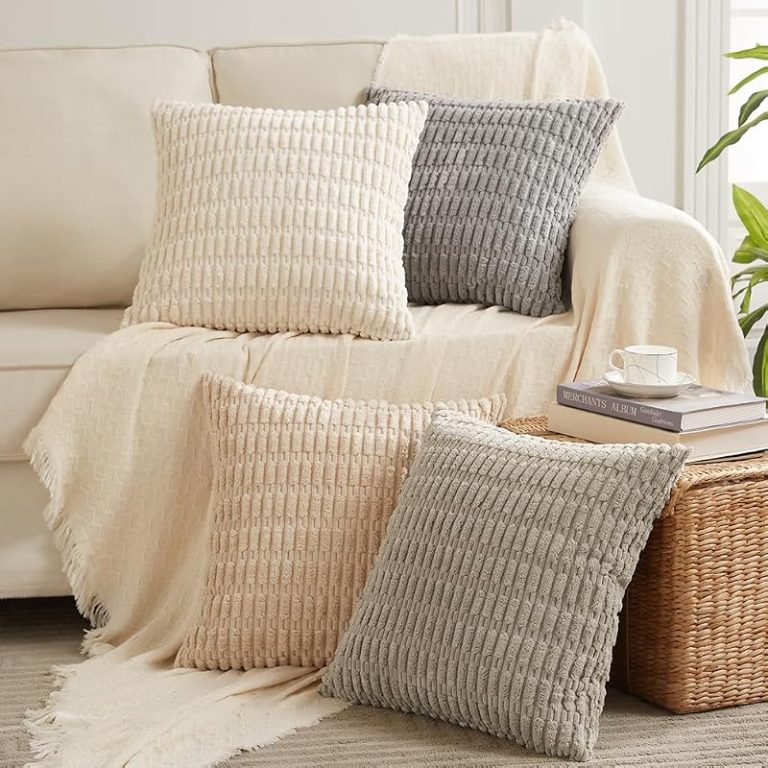
Textiles are essential in boho rooms because they soften the furniture and add colour without adding more bulk. Rugs, cushions, throws, and curtains can all help connect the room’s different pieces.
Keep the layers varied but coherent. A patterned rug can work well with plain cushions, while a simple sofa can handle more decorative pillows. If the room already has a lot of texture in the furniture, use textiles to balance rather than overwhelm.
Using Plants, Lighting, and Art to Complete the Room
Plants are one of the easiest ways to finish a boho room because they add softness and life around the furniture. Tall floor plants, trailing plants, and smaller shelf plants all work well if they suit the light levels in your home.
Lighting should feel warm and layered too. Table lamps, floor lamps, and soft pendant lights help the furniture look more inviting in the evening. Art and wall decor can then tie the whole room together without needing more furniture.
If you want the room to feel calm as well as stylish, it can help to keep the furniture arrangement simple and repeat a few shapes throughout the space.
When to Get Professional Help for Layout or Custom Pieces
Most boho furniture choices can be made without professional help, but there are times when advice is worthwhile. If you are dealing with awkward room proportions, fitted storage, structural changes, or custom joinery, a qualified interior designer, carpenter, or architect may save you time and costly mistakes.
This is especially true in older UK homes, where walls, floors, and room dimensions may not be perfectly square. A little expert input can make a big difference to how furniture fits and functions.
Boho furniture works best when it combines comfort, natural materials, and a calm sense of layering. Choose fewer, better pieces, then let texture and styling do the rest.
9/10
Final Recap: The Furniture Formula for a Stylish Boho Room
The furniture used in a boho room is usually relaxed, tactile, and slightly eclectic, but it should still feel purposeful. Start with comfortable anchor pieces, then add woven, wooden, upholstered, and vintage elements to build warmth and character.
If you keep an eye on scale, material balance, and traffic flow, boho style can work in everything from a compact flat to a larger family home. The result should feel personal, calm, and easy to live with rather than overcrowded or overly themed.
- Start with function
- Choose a consistent palette
- Balance storage, comfort, and style
Frequently Asked Questions
A comfortable sofa or bed is usually the main anchor. From there, you can build the boho look with natural materials, layered textiles, and relaxed accent pieces.
Yes, if you choose low-profile seating, slim storage, and furniture with visible legs. Keep the layout open so the room feels airy rather than crowded.
Rattan, cane, wicker, reclaimed wood, linen, bouclé, and leather are all strong boho choices. They add warmth, texture, and a natural, layered feel.
Limit the number of statement pieces and leave some negative space around the furniture. Use a consistent colour palette so the mix of textures feels intentional.
It is not essential, but vintage pieces help a boho room feel collected and personal. Even one older cabinet, chair, or table can add character.
It usually makes sense to spend more on sofas, beds, and other anchor furniture. These pieces affect comfort, durability, and the overall feel of the room.