Why Do People Like Boho Rooms and What Makes Them Special
People like boho rooms because they feel relaxed, personal, and easy to adapt to different homes and budgets. The style works especially well when it uses layered textures, warm colours, and a clear sense of balance.
Boho rooms have a way of feeling lived-in, relaxed, and full of personality. For many UK homeowners and renters, that mix of comfort and creativity is exactly what makes a room feel calm without looking too staged or formal.
At HomeDreams, we see boho style as more than a trend. It is a flexible approach to decorating that works in flats, terraced houses, period homes, and modern new-builds, especially when you want a space that feels warm, layered, and personal.
- Comfort first: Boho rooms prioritise a lived-in, welcoming feel.
- Texture matters: Natural materials and layered fabrics create warmth.
- Editing is essential: Too many prints or accessories can make the room feel cluttered.
- Budget-friendly: Thrifted finds and DIY pieces suit the style well.
- Works in small spaces: A simpler boho look can suit UK flats and compact rooms.
Why Do People Like Boho Rooms: The Appeal Behind the Style
One reason people like boho rooms is that they feel easy to live with. The style does not demand perfect symmetry or matching furniture, which makes it appealing to anyone who wants their home to look inviting rather than overly curated.
Boho interiors also give people permission to mix old and new. A vintage side table, a woven lamp, a patterned rug, and a modern sofa can sit together comfortably when the room has a clear colour direction and a relaxed sense of balance.
Another big part of the appeal is emotional. Boho rooms often suggest travel, creativity, and a slower pace of living. Even if the room is small, the style can make it feel rich in texture and story.
Boho style often works best when it looks collected over time, not bought in one shopping trip. That is why it can feel more authentic than a room filled with identical sets.
What Makes a Boho Room Feel Special in 2025
In 2025, boho rooms feel special because they are softer and more practical than the overly crowded versions people may remember from earlier trends. The best versions now focus on comfort, texture, and personality, while still leaving enough breathing room for everyday life.
This updated approach suits modern UK homes well. Many rooms are smaller than people would like, so a boho look that uses thoughtful layering rather than excess clutter is often easier to live with and maintain.
Layered Textures, Natural Materials, and Collected Decor
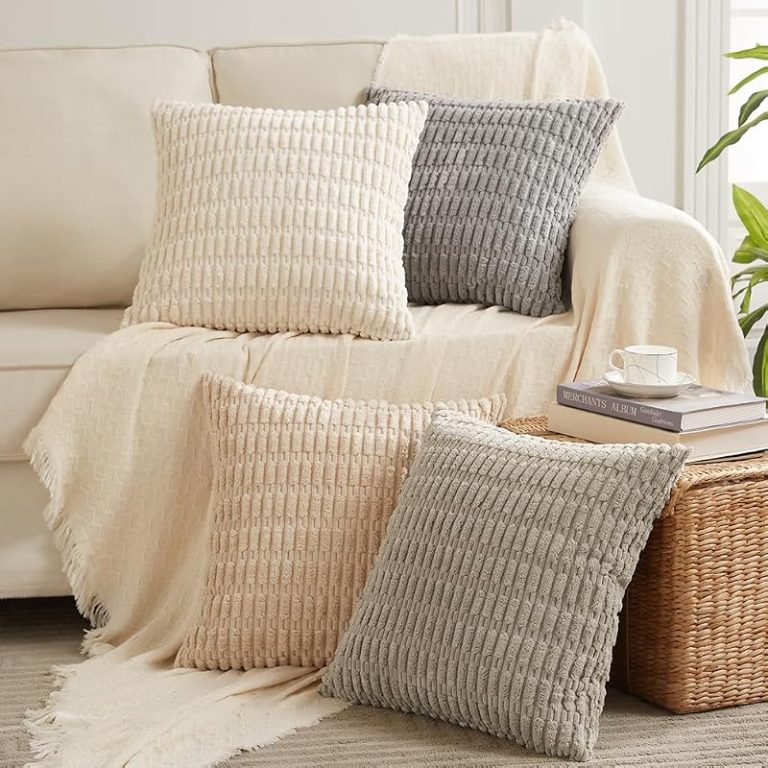
Texture is one of the strongest reasons boho rooms feel inviting. Think linen cushions, wool throws, rattan accents, timber furniture, ceramic lamps, and woven baskets. These materials make a room feel warm even when the palette is neutral.
Collected decor also matters. A framed print from a market, a handmade pot, or a second-hand chair gives the room character. The key is to choose pieces that share a similar mood, even if they do not match exactly.
- Oak or walnut wood
- Linen upholstery
- Matte brass hardware
Relaxed Layouts That Feel Personal Instead of Polished
Boho rooms usually avoid the “show home” look. Furniture is arranged for comfort and conversation first, not just for display. That relaxed layout makes the room feel more welcoming and less intimidating.
In a living room, that might mean a sofa angled slightly toward a reading chair, a rug that defines the seating area, and a side table that holds books and a lamp. In a bedroom, it could mean soft layers, a simple bed frame, and a few meaningful objects rather than many decorative extras.
When a boho room starts to feel flat, add texture before adding more colour. A textured cushion, woven blind, or patterned throw often makes the space feel richer without making it busier.
How Boho Rooms Support Comfort, Creativity, and Self-Expression
Boho style appeals to people who want their home to reflect who they are. It gives room for books, art, travel finds, plants, and handmade objects, so the space can feel personal rather than generic.
That matters in everyday life. When a room feels like it belongs to the people using it, it often becomes easier to relax in, work in, or spend time with family and friends.
Why the Style Appeals to Renters, Homeowners, and Small-Space Decorators
Renters often like boho rooms because the style can be built with soft furnishings, lighting, and accessories rather than major structural changes. That makes it easier to update a flat without affecting the lease or needing major work.
Homeowners may like it because it works across different rooms and can evolve over time. You can start with a neutral base and add layers gradually, which is useful if you are decorating in stages or planning a renovation later.
For small-space decorators, boho style is especially helpful when edited carefully. A few textured pieces, a warm rug, and good lighting can create atmosphere without needing lots of furniture. For ideas on space-efficient seating, see best sofa styles for small living rooms.
Examples of the Mood People Want: Cozy, Artistic, Calm, and Free-Spirited
Most people are not chasing boho style for the sake of the style itself. They are chasing a mood. That mood is often cosy in winter, airy in summer, and always a little more relaxed than a typical formal interior.
Some want an artistic feel, with layered art and handmade details. Others want calm, with warm neutrals and soft lighting. Many simply want a free-spirited room that feels less rigid and more human.
Key Elements That Create an Authentic Boho Look
An authentic boho room is not just a collection of “bohemian” accessories. It usually has a clear base, repeated materials, and a sense of calm structure underneath the layers.
Without that structure, the room can quickly look random. With it, the style feels intentional, warm, and easy to enjoy over time.
Color Palettes, Patterns, Plants, Lighting, and Vintage Pieces
Boho colour palettes often lean warm: terracotta, ochre, olive, rust, cream, tobacco, and muted pinks are all common choices. In UK homes, these tones work well with natural light that can sometimes feel cool or grey, especially in north-facing rooms.
Patterns are usually layered rather than perfectly matched. A striped cushion, a patterned rug, and a printed throw can work together if they share similar tones. Plants also play a big role, bringing softness and movement into the room.
Lighting should feel warm and atmospheric. Table lamps, floor lamps, and shaded pendants usually suit the style better than harsh overhead lighting alone. Vintage pieces, meanwhile, add the sense of history that boho rooms often need.
Mixing Global-Inspired Details Without Making the Room Feel Cluttered
Boho style often draws on global-inspired details, such as woven textiles, carved wood, or handmade ceramics. Used carefully, these elements create depth and interest. Used carelessly, they can make the room feel crowded or themed.
The easiest way to avoid clutter is to repeat a few materials and keep a consistent colour palette. If you bring in a patterned rug, for example, balance it with plain cushions and a simple sofa shape so the room does not become visually noisy.
If you are mixing handmade, vintage, and imported decor, check material quality and care instructions before buying. Some finishes need more maintenance than others, especially in busy family rooms or homes with pets.
Common Mistakes People Make When Designing Boho Rooms
Boho rooms are easy to admire but not always easy to get right. The most common mistakes happen when people focus on the “look” of boho style and forget how the room will actually function.
A successful room needs balance. It should feel relaxed, but not unfinished; layered, but not overloaded; personal, but not messy.
Overcrowding the Space With Too Many Prints or Accessories
One of the biggest mistakes is adding too many prints, cushions, baskets, and decorative objects at once. Instead of feeling cosy, the room can start to feel busy and hard to clean.
This is especially important in smaller UK homes, where floor space is limited. If every surface is filled, the room loses the open, easy feeling that makes boho style so appealing in the first place.
Do not buy accessories before measuring the room and planning storage. Oversized decor and too many small items can make a compact room feel even smaller and harder to use.
Confusing “Boho” With Random or Unfinished Styling
Boho does not mean unfinished. A room with no clear palette, no lighting plan, and no storage will usually feel chaotic rather than stylish.
The difference between boho and random often comes down to editing. Good boho rooms still have structure: repeated colours, a few anchor pieces, and enough empty space to let the details breathe.
If a room feels too busy, remove one third of the decorative items and look again. Often, the strongest boho spaces are the ones where the styling has been edited rather than added to.
Boho Room Cost: Budget-Friendly vs. High-End Approaches
Boho rooms can be surprisingly affordable, but the final cost depends on how far you want to take the look. A simple refresh with paint, textiles, and second-hand finds can stay modest, while a full room scheme with statement furniture and custom lighting will cost more.
As with any interior project, prices vary across the UK depending on room size, product quality, supplier choice, and whether you hire tradespeople or install items yourself.
Affordable Ways to Build the Look With Thrifted and DIY Pieces
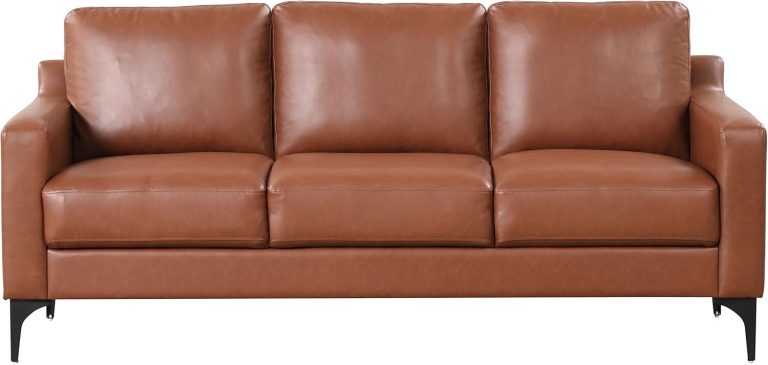
Budget-friendly boho styling often starts with what you already own. A neutral sofa can be transformed with textured cushions, a patterned throw, and a rug that anchors the seating area.
Thrifted furniture is another strong option. A vintage side table, an old wooden chest, or a second-hand mirror can add character without the price of brand-new pieces. DIY wall art, painted planters, and simple shelf styling can also make a room feel more personal.
For more ideas on stretching your budget, see how to decorate a home on a budget without sacrificing style.
When Statement Furniture, Rugs, and Lighting Raise the Price
Costs rise quickly when you invest in larger hero pieces. A statement rug, a handcrafted chair, a quality sofa, or a layered lighting scheme can transform the room, but these items usually take up more of the budget.
If you are planning a more premium look, spend first on the pieces that affect comfort and daily use. After that, add accessories gradually. That approach tends to work better than buying lots of small items and leaving the room without a strong anchor.
Expert Tips and Warnings for Getting the Style Right
The best boho rooms are beautiful because they are usable. That means thinking about storage, traffic flow, cleaning, and safety as well as styling.
If you are renovating, altering electrics, or changing fixed features in a UK property, it is sensible to speak to a qualified tradesperson, interior designer, or other relevant professional where needed.
Balancing Warmth, Function, and Safety in Real Living Spaces
Warmth comes from texture, colour, and lighting, but function matters just as much. Make sure walkways stay clear, rugs are secured, and lamps or hanging decor do not create trip or knock hazards.
In homes with children or pets, choose durable fabrics and stable furniture. Woven baskets are useful for storage, but they should not block access to sockets, doors, or radiators.
- Measure the space
- Pick a palette
- Plan lighting layers
When to Keep It Minimal, When to Add Layers, and When to Edit
Keep the room minimal if the space is small, dark, or already full of furniture. Add layers when the room feels flat, cold, or impersonal. Edit when the room has good pieces but too many competing textures or colours.
A useful rule is to build in stages. Start with the biggest items, then add textiles, lighting, and decor one layer at a time. If something does not improve the room’s comfort or visual balance, it probably does not need to stay.
- Start with function
- Choose a consistent palette
- Balance storage, comfort, and style
Final Recap: Why Boho Rooms Remain So Popular
People like boho rooms because they feel personal, warm, and flexible. The style allows for creativity without demanding perfection, which makes it especially appealing in real homes where comfort matters as much as appearance.
When done well, boho style offers the best of both worlds: a room that looks layered and interesting, yet still feels calm enough for everyday living. That balance is why it continues to resonate with renters, homeowners, and design lovers across the UK.
Boho rooms remain popular because they combine comfort, personality, and easy styling in a way that suits modern homes.
9/10
Frequently Asked Questions
People like boho rooms because they feel relaxed, personal, and full of texture. The style works well in real homes because it does not need everything to match perfectly.
An authentic boho room usually has layered textures, natural materials, warm lighting, and a few meaningful or vintage pieces. It should feel collected over time rather than bought all at once.
Yes, boho style can work very well in a small flat if it is edited carefully. Use a clear palette, limit clutter, and choose furniture that suits the room size.
It does not have to be expensive. You can build the look with thrifted furniture, DIY decor, soft furnishings, and a few well-chosen statement pieces.
Common mistakes include overcrowding the room, using too many competing prints, and making the space feel random instead of intentional. Good boho design still needs structure and editing.
Stick to a consistent colour palette, repeat a few materials, and leave some empty space. Good lighting and practical storage also help the room feel calmer.